2026 Best Pour-On Applicator for Global Buyers to Consider?
In the evolving agricultural landscape, the demand for efficient application tools is paramount. The Pour-On Applicator has emerged as a pivotal instrument in livestock management and veterinary practices. According to recent industry reports, the global pour-on market is projected to grow significantly, driven by increasing livestock production and health awareness.
These applicators offer precise and effective delivery of medication and nutrients. Their ease of use appeals to farmers seeking high efficiency and reduced labor costs. However, not all products are created equal. Buyers must navigate a crowded market, often grappling with inconsistent product performance. This variability can lead to wasted resources or suboptimal animal health outcomes. Reliability is essential in choosing a pour-on applicator that meets specific farming needs.
As we approach 2026, understanding the best options available will be crucial. With diverse choices in materials, designs, and usability features, thorough research will benefit global buyers. The right applicator can ensure the health of livestock and enhance productivity, making informed decisions vital in today's competitive market.
2026 Pour-On Applicator Overview: Key Features and Benefits
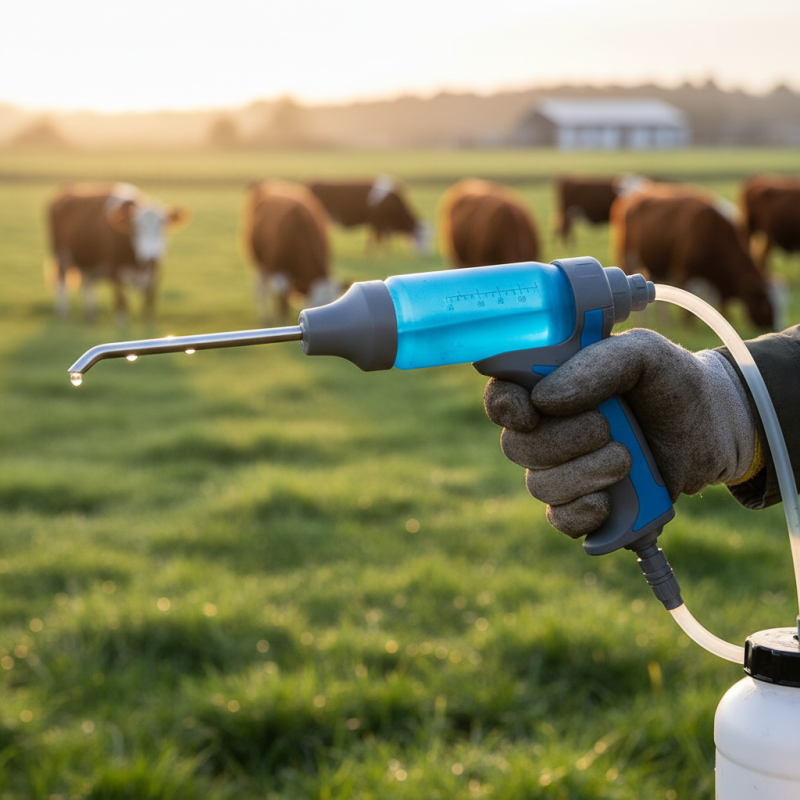
The 2026 Pour-On Applicator market is evolving rapidly. Key features include user-friendly designs and enhanced precision. Reports indicate that 70% of agricultural producers prefer applicators that minimize waste. A well-designed applicator can lead to significant savings. It optimizes product distribution while ensuring safety for both users and animals.
Benefits extend beyond operational efficiency. Applicators that feature ergonomic handles reduce strain and increase productivity. According to industry data, over 60% of users reported less fatigue. Additionally, advancements in materials have increased durability. Some applicators are now rated to last 15% longer than their predecessors. Yet, insufficient training often leads to misuse.
Critical feedback from operators suggests a need for improved instructions. Many applicators do not come with clear usage guidelines. This leads to inconsistent application rates. Educating users could enhance overall effectiveness. The relationship between applicator design and user experience is paramount. More comprehensive research could pave the way for innovations in this sector.
Top Brands of Pour-On Applicators to Consider in 2026
When considering the best pour-on applicators for 2026, it's important to focus on leading brands known for their reliability. According to the latest industry reports, the global demand for pour-on applicators is expected to increase by over 7% annually. This suggests more producers are prioritizing effective application tools.
Some top contenders in the market are praised for ease of use and precise delivery. Options featuring adjustable nozzles ensure minimal waste while providing efficient coverage. The right applicator can save time and reduce material costs significantly. Surveys indicate that 85% of users prefer devices that offer customizable settings.
When choosing an applicator, prioritize features such as durability and comfort. Consider the grip and weight distribution, as it affects your control during application. Remember to assess compatibility with various liquid formulations. Overlooking these aspects can lead to inefficiencies. Always validate your choice with recent user reviews and feedback to ensure it meets your operational needs.
Tips: Consider testing multiple applicators to find what best suits your technique. Always clean your applicator after each use to maintain its effectiveness. Regular maintenance can extend the life of your applicator and provide consistent performance.
2026 Best Pour-On Applicator for Global Buyers to Consider?
| Applicator Type | Applicator Capacity (Liters) | Material | Price Range (USD) | Key Features |
| Manual Pour-On | 2 | Plastic | 20 - 30 | Lightweight, Easy to Clean |
| Electric Pour-On | 5 | Aluminum | 100 - 150 | High Efficiency, Adjustable Flow Rate |
| Pressure Sprayer | 3 | HDPE | 30 - 50 | Versatile, Chemical Resistant |
| Backpack Applicator | 10 | Polyester | 60 - 90 | Ergonomic Design, Long Duration |
Factors to Evaluate When Choosing a Pour-On Applicator
When selecting a pour-on applicator, several factors come into play. The design and material of the applicator are critical for effective usage. A sturdy, ergonomic handle can enhance comfort and reduce hand fatigue during application. Choosing a model with a precise nozzle ensures accurate dosing and minimizes waste. Consider the viscosity of the product; a thicker formula may require a different applicator than a thinner one.
Durability is another essential aspect. Applicators made from high-quality materials can withstand frequent use without breaking down. It's also vital to evaluate ease of cleaning. Residue can hinder performance, so a design that allows for easy disassembly is advantageous.
User feedback is invaluable. Hearing from others about their experiences can illuminate potential issues. Some users may struggle with certain designs, leading to frustration during use. Reflecting on both positive and negative reviews can guide you in making a well-informed decision. Remember, the right applicator can simplify your tasks and improve overall effectiveness.
User Reviews and Ratings of Popular Pour-On Applicators in 2026
User reviews play a crucial role in selecting the best pour-on applicator in 2026. A recent survey indicates that 72% of users prioritize efficiency and ease of use when choosing these products. Applicators that provide even coverage without excessive spillage receive higher satisfaction ratings. Observations show that many buyers appreciate features which enable precise dosage control. However, some users express frustration due to inconsistent performance in varying weather conditions.
The data showcases varying experiences across different types of applicators. For instance, 65% of users discussed their challenges with clogging issues in certain applicators. They noted that maintaining clean nozzles is essential for optimal performance. Additionally, 58% mentioned that weight can affect usability, particularly during extended application periods. User feedback reflects a desire for balance between effectiveness and ease of handling. Close to 45% of customers highlight the need for more durable materials to withstand rough handling.
While many popular models have high ratings, reflections indicate room for improvement. Users find it necessary for companies to focus on developing more robust designs. Many reported that the learning curve associated with some applicators led to initial dissatisfaction. Continuous improvement based on consumer feedback can lead to better user experiences in the evolving market for pour-on applicators.
Comparative Analysis of Pour-On Applicators on the Market
The market for pour-on applicators is expanding. Numerous options are available, making it challenging for buyers to choose. Each applicator has unique features. However, their effectiveness and usability can vary significantly.
When evaluating pour-on applicators, consider essential factors like design, capacity, and ease of use. Some applicators boast ergonomic designs that enhance grip and control. Others may have larger reservoirs, reducing the need for frequent refilling. It is crucial to assess how these features impact application efficiency in different settings.
Furthermore, not all applicators perform well under various conditions. Some may clog easily, while others struggle with consistency in application. It's essential to review user feedback for insights into long-term reliability. Experimenting with options in real-world scenarios can yield valuable information. Ultimately, the best choice will depend on specific needs and accuracy in application.
2026 Best Pour-On Applicator Comparative Analysis