
Introducing the Montessori Birch Plywood Learning Tower is an exciting way to foster independence in children. These towers offer a safe platform for kids to explore their environment. They encourage participation in daily activities, like cooking or washing dishes. Designed with sturdy birch plywood, they are durable and can withstand the energetic nature of young ones.
Parents often appreciate the height adjustable feature, enabling use as children grow. However, some may find assembly challenging. It's essential to ensure proper stability before use. The aesthetic appeal of birch plywood also adds to home decor. Each tower is unique, showcasing the natural grain of the wood.
Choosing the right Montessori Birch Plywood Learning Tower can be overwhelming. There are various models with different functionalities. Each model provides distinct advantages. Ultimately, these learning towers serve as tools for learning and bonding, promoting valuable life skills.
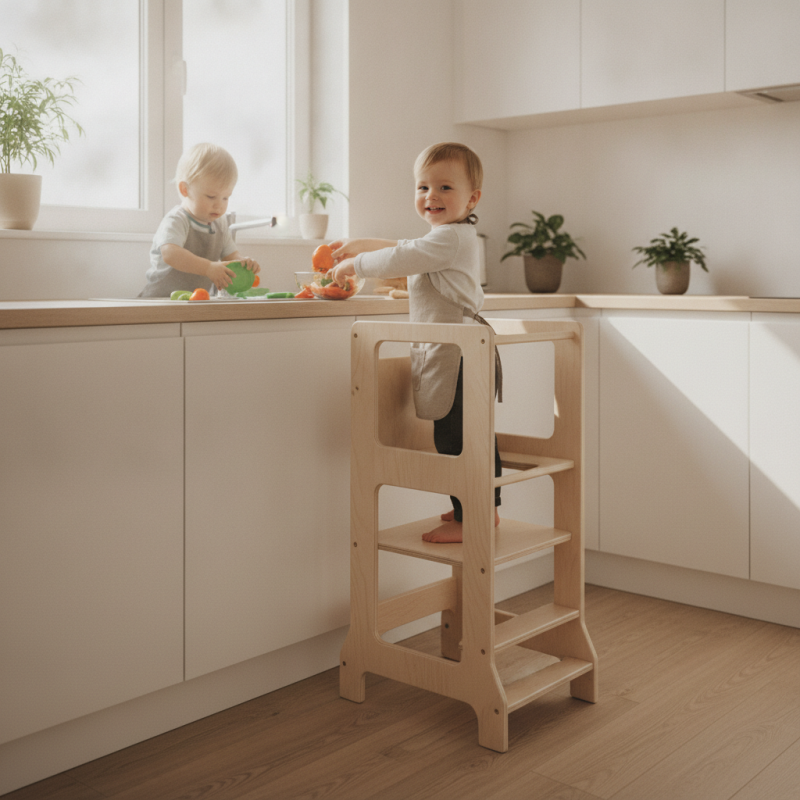
Montessori learning towers are designed for children's independence and engagement. These towers elevate kids to counter height, encouraging them to participate in cooking or cleaning. Using a learning tower can boost their confidence and motor skills. Children feel a sense of accomplishment when they can safely reach surfaces meant for adults.
Safety is a primary concern. A well-designed tower should have guardrails and a sturdy base. Parents need to supervise initial use until kids gain comfort and awareness. While these towers promote independence, it's crucial to reflect on balance. Over-reliance on them can limit the child’s ability to explore other areas of development.
When children climb, they often find new perspectives. This exploration can lead to imaginative play and creativity. A learning tower should offer opportunities for both structured and free play. However, without proper guidance, kids may misuse the space or become distracted. This requires ongoing parental involvement and mindfulness. The key is to support their growth while allowing them room to learn and discover.
Birch plywood is a popular material for children's furniture. This choice is not random. Birch plywood is known for its durability and strength. It offers a smooth surface that is safe for kids. One of the key advantages is its lightweight yet sturdy nature. Parents appreciate how easy it is to move furniture around the home.
Using birch plywood in learning towers enhances safety. The material is less likely to splinter compared to other types of wood. Additionally, birch plywood is eco-friendly. It is sourced from sustainable forests, making it a responsible choice for families. This aspect reflects a growing trend toward environmentally conscious parenting.
Tips for selecting a learning tower are essential. Look for designs that include adjustable heights. This feature allows the tower to grow with your child. Also, check for rounded edges. These enhance safety and reduce the risk of injury. Regularly inspecting the furniture for any signs of wear can help maintain its integrity. Remember, a high-quality learning tower should be an investment in your child's development.
| Learning Tower Name | Height (inches) | Weight Capacity (lbs) | Safety Features | Price ($) |
|---|---|---|---|---|
| Classic Learning Tower | 36 | 250 | Non-slip surface, safety railing | 149 |
| Foldable Learning Tower | 30 | 200 | Compact, secure locking mechanism | 129 |
| Adjustable Height Tower | 32 | 220 | Adjustable platform, sturdy structure | 169 |
| Artisan Learning Tower | 34 | 250 | Protective bar, durable design | 189 |
| Convertible Learning Tower | 28 | 180 | Transforms to a bench, safety harness | 159 |
| Standard Montessori Tower | 35 | 240 | Sturdy frame, safety locks | 139 |
| Multi-functional Learning Tower | 36 | 250 | Stable base, easy assembly | 199 |
| Compact Learning Tower | 31 | 190 | Lightweight, non-slip steps | 114 |
| Premium Birch Learning Tower | 33 | 280 | Natural finish, safety guard | 229 |
When choosing a Montessori birch plywood learning tower, it's essential to focus on key features. Safety should be the top priority. Look for sturdy construction and stable bases. Many experts recommend a weight limit for added safety. Reports indicate that over 80% of injuries in kids' furniture involve tip-over incidents. A learning tower with a reliable safety design can significantly reduce risk.
Height adjustability is another crucial feature. A tower that grows with your child offers better long-term use. Studies suggest that adaptable furniture encourages independence and confidence in children. Features like a skid-proof base and secure locking mechanisms enhance stability and usability. Parents have noted improvements in their children's willingness to engage in kitchen tasks when using adjustable towers.
**Tip:** Always supervise your child when using a learning tower. Constant vigilance ensures their safety during activities. Evaluate your space size as well. Some towers can feel bulky in smaller areas. Incorporating your child into daily routines can foster a sense of belonging, but ensure the design fits well within your home environment.
Montessori birch plywood learning towers are valuable tools for children's independence and creativity. They allow kids to engage in kitchen activities safely, fostering essential life skills. Research shows that children involved in practical tasks gain a sense of responsibility and confidence. A recent study revealed that children who participated in kitchen-related tasks improved their motor skills and problem-solving abilities by 30%.
The design of these learning towers matters. Many are made from sturdy birch plywood, ensuring safety and stability. Lightweight towers can easily tip over, which poses risks. Children's safety should always be a priority. Engineers emphasize the importance of non-toxic finishes for wood products. Safe materials prevent harmful chemical exposure, crucial for young, developing minds. Many parents appreciate the versatility these towers offer, blending seamlessly into home environments.
Though learning towers have many benefits, they are not without drawbacks. Some parents report challenges in getting their children to use the towers consistently. Others find assembly instructions complicated, which can lead to frustration. Balancing practicality with design can be tough for manufacturers. Continuous feedback from families can help improve these products and make them more user-friendly.
When using learning towers at home, safety is paramount. Ensure the tower is stable and constructed from quality materials like birch plywood. A solid base prevents tipping. Non-slip feet can enhance stability on various floor surfaces. Regular inspection for wear and tear is crucial. Small damages can lead to significant hazards.
Always supervise children when they use the tower. Even with safety features, kids can be unpredictable. They may climb too high or lean over the edges. Setting clear boundaries about appropriate use can help. Explain to your little ones how to safely engage with the tower.
Consider the height of the learning tower in relation to countertops or tables. It's best when children can safely reach surfaces without straining. Adjustable options may offer better longevity as your child grows. Reflect on your home's layout and ensure there are no sharp edges nearby. Safety should always come first in design and practical use.
