Top 10 Benefits of Sheep Visual Ear Tags for Farmers?
In the dynamic world of sheep farming, efficient management is key. Farmers face numerous challenges in tracking and identifying their livestock. Dr. Emily Parker, a leading agricultural expert, emphasizes, “Effective identification is crucial for enhancing herd health.” One innovative solution gaining attention is the Sheep Visual Ear Tag.
These tags offer unique benefits that streamline farming operations. They allow for quick identification of sheep, reducing time spent on monitoring. Visual tags improve accuracy in record-keeping and facilitate better health management. For example, a farmer can easily spot issues affecting specific animals. However, some farmers still resist using these tags. They may worry about the costs or practicality of implementation.
Nevertheless, the advantages far outweigh these concerns. Sheep Visual Ear Tags can enhance overall farm productivity. With technology evolving, it’s essential to stay informed and adaptable. The choice to embrace such innovations could define the future success of sheep farming.
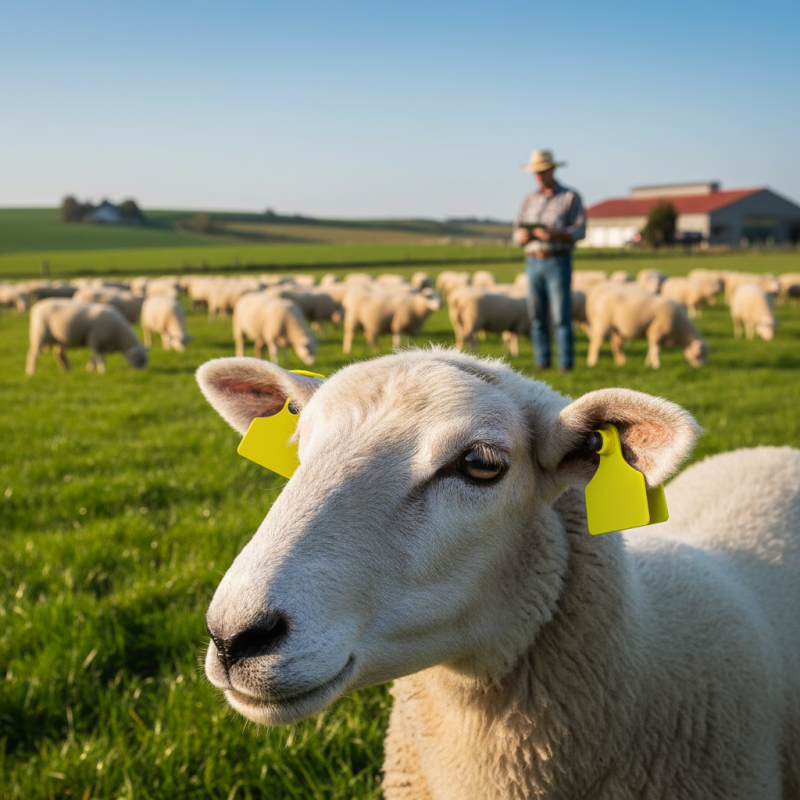
Benefits of Enhanced Livestock Management with Visual Ear Tags
Visual ear tags have become essential tools in modern livestock management. They enhance identification and tracking of sheep, improving overall operational efficiency. These tags help farmers easily monitor health and production traits. Knowing which sheep require special attention can prevent small issues from escalating. Tags provide instant visual cues, reducing time spent on individual assessments.
Effective livestock management requires a keen eye for detail. Visual tags make tracking lineage simpler and more accurate. This clarity can aid in breeding decisions, ensuring genetic quality. Farmers often reflect on the challenges of managing large flocks. Mismanagement can lead to loss of productivity. Visual ear tags help mitigate such situations by providing clear information at a glance.
Farmers appreciate the durability of visual tags despite wear and tear. They still need occasional inspection to ensure they remain legible. This aspect highlights the importance of regular flock evaluations. Some might overlook this necessity, leading to potential oversight. Integrating these tags into daily routines can enhance overall management while helping create a more organized farming environment.
Improving Traceability: Key Data on Sheep Movement and Health
Visual ear tags for sheep offer substantial benefits in tracking and managing livestock. They provide critical data on sheep movement, enhancing traceability in farming operations. Farmers can easily monitor where each sheep has been and when. This information can be vital during disease outbreaks or when analyzing grazing patterns.
Data collected from these tags also supports health management. By keeping accurate records, farmers can identify health trends within their flock. This tracking helps in making informed decisions regarding vaccinations and nutrition. However, farmers must ensure that the data collected is reliable and regularly updated. Poor record-keeping can lead to misleading information and affect overall flock management.
Additionally, while visual ear tags enhance operational efficiency, implementing them may come with challenges. Farmers might face initial costs and a learning curve in using new technologies. Some may struggle with consistently updating records, which is paramount for accuracy. Balancing these aspects requires ongoing reflection and adjustment in farming practices. Overall, embracing visual ear tags can significantly improve herd management when used thoughtfully.
Boosting Productivity: How Visual Tags Influence Farming Efficiency
Visual ear tags play a crucial role in modern sheep farming. These tags enhance productivity by allowing farmers to easily identify individual animals. With a clear visual system, it’s easier to monitor health and breeding cycles. Farmers can quickly spot any issues, reducing lost time in herding or checking flocks. This simple process can significantly streamline daily tasks.
Additionally, the use of visual tags fosters better record-keeping. Each tag represents a wealth of information, from vaccination history to weight records. This data is essential for making informed decisions about feeding and breeding. However, some farmers may struggle with learning to read these tags effectively. Training might be needed to ensure that all staff can utilize this system properly.
Embracing visual ear tags isn’t without challenges. Some farmers might face resistance to change or find initial implementation cumbersome. Overcoming these hurdles requires commitment and ongoing evaluation of the system’s effectiveness. Ultimately, the adoption of visual ear tags can lead to a more efficient farming operation when approached thoughtfully.
Cost-Effectiveness Analysis of Investing in Visual Ear Tags
Investing in visual ear tags can bring significant cost savings for farmers. These tags are affordable and easy to apply. By using ear tags, farmers can quickly identify and manage their flock. This reduces time-consuming record-keeping. Therefore, the efficiency gained leads to labor cost savings.
Farmers often face challenges in animal identification. Visual ear tags simplify the process, minimizing errors. When tags are clearly labeled, misplaced sheep can be found easily. This results in fewer lost animals and associated costs. In a way, good identification directly impacts the herd's health. Healthy animals contribute to higher yields.
However, reliance on visual ear tags also has limitations. Weather conditions and tag wear can impact visibility. Farmers should consider these factors when ensuring clear identification. Regular checks are necessary to maintain tag integrity. Reflecting on these aspects helps farmers to adjust and improve their management practices. Ensuring quality and visible tags ultimately supports farm productivity.
Top 10 Benefits of Sheep Visual Ear Tags for Farmers
| Benefit | Description | Cost Savings ($) | Time Saved (hours/year) |
| Easy Identification | Quickly identify sheep without handling | 150 | 40 |
| Improved Record Keeping | Track health and breeding records easily | 200 | 30 |
| Enhanced Biosecurity | Monitor flock health and prevent disease spread | 100 | 25 |
| Increased Sale Value | Better record leads to higher prices | 300 | 15 |
| Time Efficiency | Less time spent on individual identification | 250 | 50 |
| Reduced Labor Costs | Less need for extra hands during breeding | 180 | 60 |
| Streamlined Breeding Management | Easier tracking of genetics and breeding history | 220 | 35 |
| Compliance with Regulations | Meet industry standards for identification | 90 | 20 |
| Enhanced Animal Welfare | Easier monitoring for stress or illness | 160 | 45 |
| Visual Appeal | Attractive presentation for sales and shows | 70 | 10 |
Compliance with Regulations: Visual Ear Tags and Animal Welfare Standards
Visual ear tags are crucial for meeting regulations in animal welfare. They help farmers track sheep efficiently and comply with health standards. These tags make it easier to identify individual animals. This aids in monitoring their health and managing their care effectively.
Farmers should ensure tags are visible and legible. A well-placed tag can reduce stress for both animals and handlers. Regular checks on tag condition are essential. Damaged tags can lead to misidentification and regulatory issues.
Sometimes, farmers may overlook the importance of color coding or numbering systems. This could create confusion during inspections. Keeping track of all ear tags requires a systematic approach. It’s a good practice to regularly review tagging protocols to ensure they align with current regulations.
Top 10 Benefits of Sheep Visual Ear Tags for Farmers