Top 10 Benefits of Prefabricated Construction for Global Buyers?

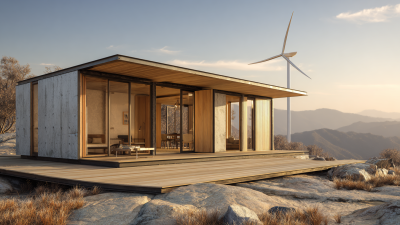
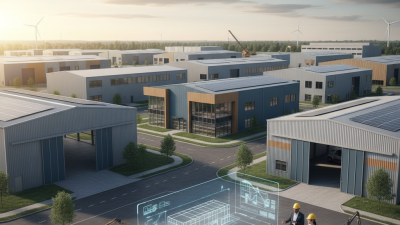
Prefabricated construction is revolutionizing the building industry. According to Dr. Emily Chen, a leading expert in this field, “Prefabricated structures can cut construction time and costs dramatically.” This innovative approach not only speeds up projects but also improves overall quality.

Many global buyers are now recognizing the benefits of prefabricated construction. It provides a solution for tight deadlines and budget constraints. However, challenges still exist. Some may question the long-term durability of prefabricated materials. Despite the skepticism, the advantages often outweigh concerns.

The growing trend of green building practices enhances the appeal of prefabricated construction. It offers sustainable options and reduces waste. As with any evolving industry, continuous improvement is essential. Buyers must stay informed about new technologies and methods to fully realize the potential of prefabricated construction.
Top 10 Benefits of Prefabricated Construction for Global Buyers?

Advantages of Prefabricated Construction in Cost Efficiency

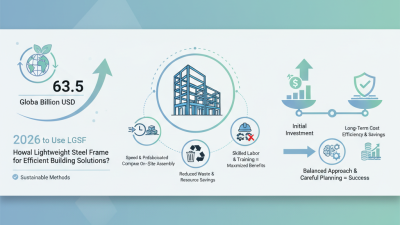
Prefabricated construction is rapidly gaining popularity among global buyers, largely due to its impressive cost efficiency. A recent McKinsey report claims that this method can reduce construction costs by up to 20%. This remarkable saving stems from streamlined processes. Off-site fabrication minimizes delays and optimizes labor costs, resulting in significant financial benefits.

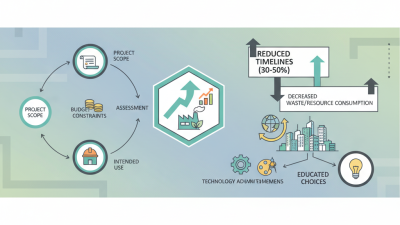
Moreover, prefabricated projects often require less time for completion. According to the National Institute of Building Sciences, these structures can be built 30-50% faster than traditional methods. This speed reduces overhead costs, such as site management expenses, which can pile up during lengthy construction timelines. Less labor required on-site can also mean lesser expenses tied to worker availability and productivity.

However, choosing prefabricated construction is not devoid of challenges. Quality control is crucial, and discrepancies in materials can occur. A study by the American Society of Civil Engineers noted that ensuring uniformity in prefabricated components remains an ongoing challenge. Buyers must weigh the benefits against such potential pitfalls. Understanding how to mitigate risks is essential for making informed decisions in this evolving construction landscape.
Top 10 Benefits of Prefabricated Construction for Global Buyers

Time-Saving Aspects of Prefabricated Building Methods

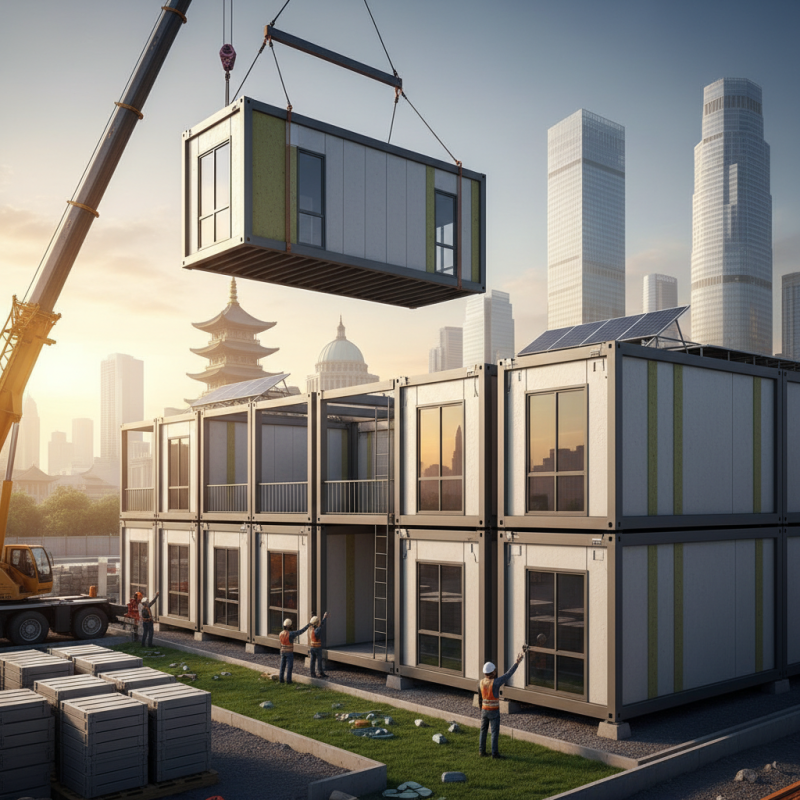
Prefabricated construction methods have gained traction for their remarkable time-saving benefits. These techniques allow for significant reductions in building time. Modular sections are built in a factory while site preparations occur simultaneously. This dual approach minimizes downtime and speeds up the entire construction process.

On-site assembly is typically faster as well. Workers can focus on putting together pre-made elements instead of starting from scratch. This efficiency helps meet tight deadlines, especially in sectors where timing is critical. However, there are challenges to consider. For instance, coordination between factory production and site conditions can become complex. Issues can arise if the site is not ready for the incoming prefabricated components.

Moreover, the craftsmanship involved in prefabrication may vary. While many manufacturers prioritize quality, not every project meets high standards. It's vital for buyers to conduct thorough research and due diligence before choosing suppliers. A well-planned strategy is necessary to balance speed with the quality of the finished product.

Top 10 Benefits of Prefabricated Construction for Global Buyers

Benefit Description Time Saving Aspect
Faster Construction Time Prefabricated components can be manufactured off-site while site preparation occurs simultaneously. Reduces on-site construction time significantly.
Reduced Labor Costs Less on-site labor is required, leading to lower overall labor costs. Labor efficiency allows for quicker project completion.
Improved Quality Control Components are built in a controlled factory environment, minimizing defects. Faster installation due to ready-to-assemble parts.
Sustainability Prefabrication uses less material and generates less waste. Streamlined production processes reduce time wastage.
Design Flexibility Custom designs can be easily adapted in the prefabrication process. Less time required for design iterations on-site.
Lower Risk of Weather Delays With much of the construction done indoors, weather impacts are significantly reduced. Consistent timelines regardless of site conditions.
Safety Improvements Factory environments are often safer than construction sites, reducing injury risks. Less potential for delays due to workplace incidents.
Easier Site Management Fewer workers on-site streamline communication and management. Quicker decision-making processes on-site.
Increased Scalability Additional units can be prefabricated and added without disrupting ongoing projects. Allows for quicker scaling of operations.
Cost Predictability Fixed prices for prefabricated components help in budget planning. Reduces time spent on budget discrepancies.

Enhanced Quality Control in Prefabricated Construction Processes

Top 10 Benefits of Prefabricated Construction for Global Buyers?

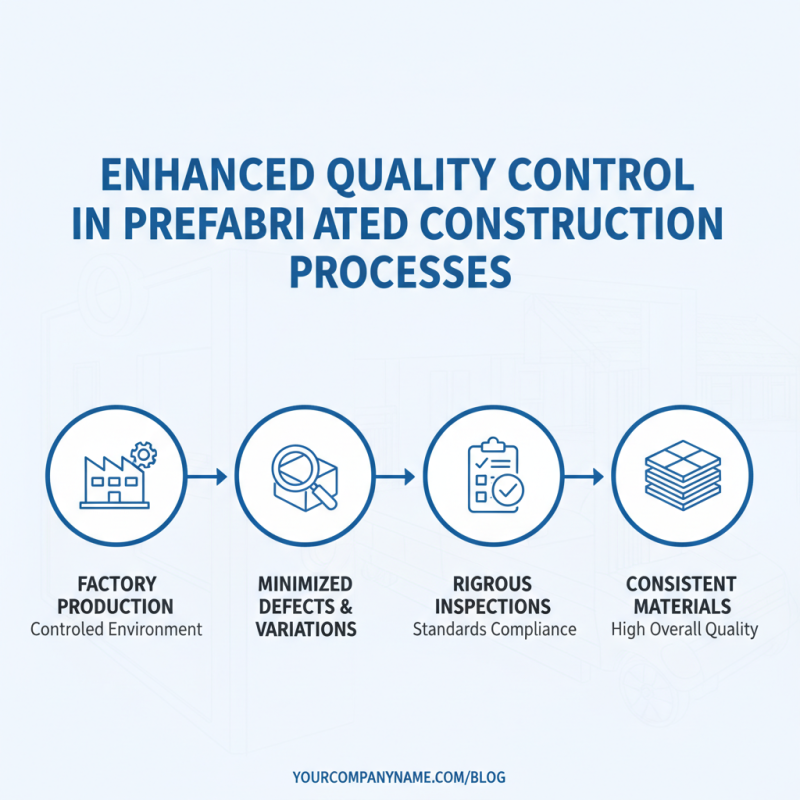
Prefabricated construction processes offer significant benefits, particularly in quality control. Factories produce components under controlled conditions. This environment minimizes defects and variations. Each piece undergoes rigorous inspections to ensure compliance with standards. Consistency in materials also contributes to overall quality.

Despite these advantages, challenges exist. Not all components fit perfectly on-site due to varying conditions. Weather, ground stability, and local regulations can affect the final assembly. This requires skilled teams to adapt components on the fly. A commitment to ongoing training can mitigate some of these issues.

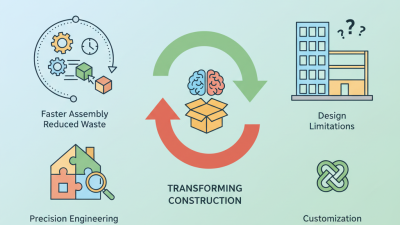
Moreover, relying on factory production raises questions about craftsmanship. While factories excel in consistency, unique architectural details may suffer. Builders must balance efficiency with the need for tailored design. Addressing these complexities is crucial for maximizing the benefits of prefabrication. By refining processes and embracing skilled labor, the industry can enhance the overall outcome.

Sustainability and Environmental Benefits of Prefabricated Structures

Prefabricated construction has gained traction due to its sustainability benefits. A notable aspect is its reduced waste generation. Traditional building methods often result in significant debris. In contrast, prefabricated structures are built off-site, minimizing excess materials. This process leads to a cleaner construction site and less environmental disturbance.

Another key advantage is energy efficiency. Prefabricated components often use advanced insulation techniques. These techniques improve thermal performance and lower energy consumption. As a result, buildings require less heating and cooling, decreasing their overall carbon footprint. Moreover, many prefabricated homes utilize renewable energy sources. This approach not only supports sustainability but empowers homeowners to be eco-conscious.

However, there are challenges to consider. Not every site is suitable for prefabricated solutions. Transporting large modules can create logistical issues if not planned well. Additionally, local regulations may impose restrictions that complicate the construction process. It’s crucial to assess these factors before choosing prefabricated methods. These reflections can ensure that sustainability goals are met without compromising project integrity.

Flexibility and Customization Opportunities in Prefabricated Designs

Top 10 Benefits of Prefabricated Construction for Global Buyers?

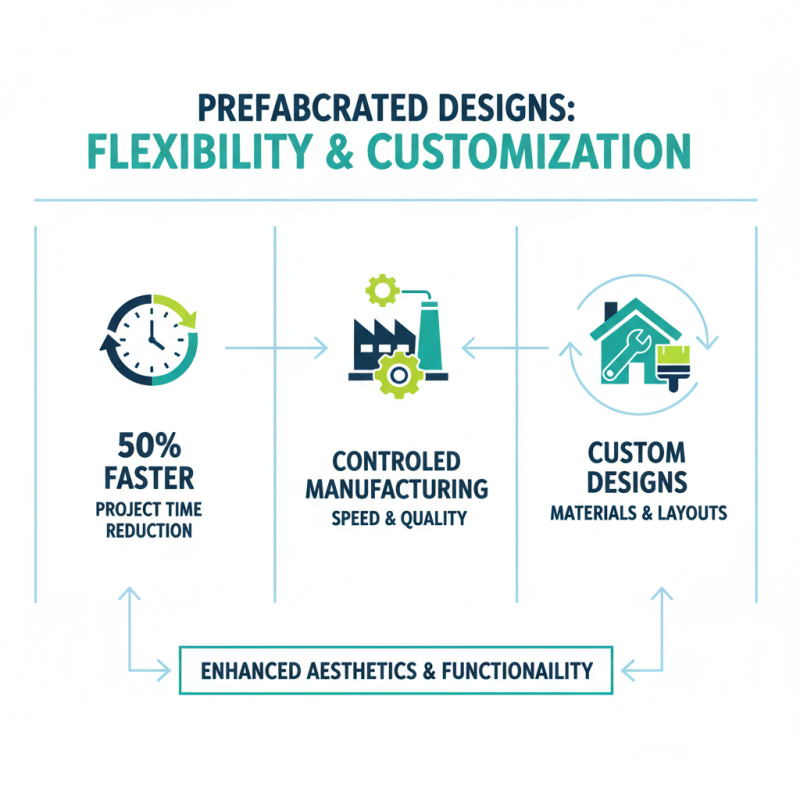
The flexibility and customization opportunities found in prefabricated designs are reshaping the construction industry. Research indicates that prefabricated construction can reduce project time by up to 50%. This speed is largely due to the ability to manufacture components in a controlled environment. Builders can customize materials and layouts to meet specific project needs, thereby enhancing both aesthetics and functionality.

Design flexibility is another significant advantage. Buyers can opt for unique architectural styles without sacrificing quality. According to industry studies, over 75% of buyers express satisfaction with the customization options available in prefabricated builds. This leads to an increase in client engagement and a more personalized construction experience.

**Tip:** Consider your local climate and building regulations when customizing prefabricated designs. This can reduce future maintenance issues.

While prefabrication offers numerous advantages, some challenges remain. The upfront design phase can be lengthy and complex. Communication between stakeholders is crucial to avoid misalignment in vision.

**Tip:** Make sure to involve all parties early in the design process. This fosters a collaborative environment and can streamline decisions.

Investing in flexibility and customization could yield higher property values. Yet, buyers must weigh benefits against potential design constraints. Balancing these factors is key to successful prefabrication projects.