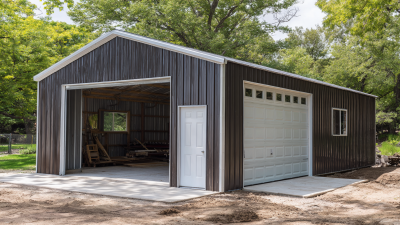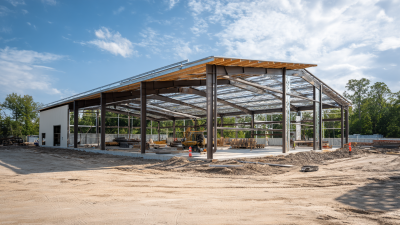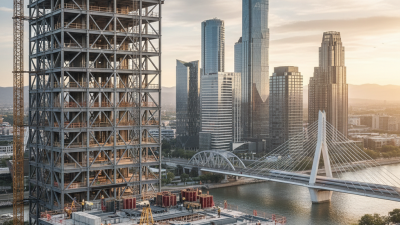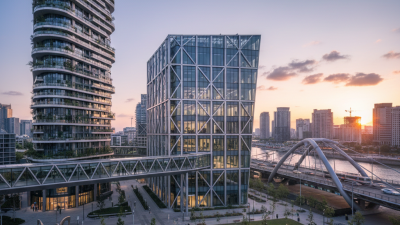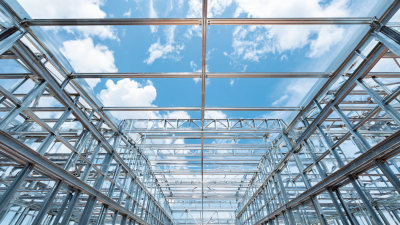
In today's construction landscape, the advantages of pre engineered steel buildings cannot be overlooked. Industry expert John Smith states, "Pre engineered steel buildings offer unmatched flexibility and efficiency." This statement highlights the growing significance of these structures in various projects.
Pre engineered steel buildings are known for their quick assembly. They often reduce construction times significantly. Additionally, they provide excellent durability, making them a smart choice for diverse applications. However, not all projects benefit equally. Some may overlook specific site conditions, which can lead to complications.
While the cost-effectiveness of pre engineered steel buildings is appealing, it is essential to consider potential hidden expenses. Detailed planning and customization are crucial. Every project has unique requirements. Failing to acknowledge these can diminish the benefits of using pre engineered steel buildings. Thus, thorough assessment remains vital for successful outcomes.
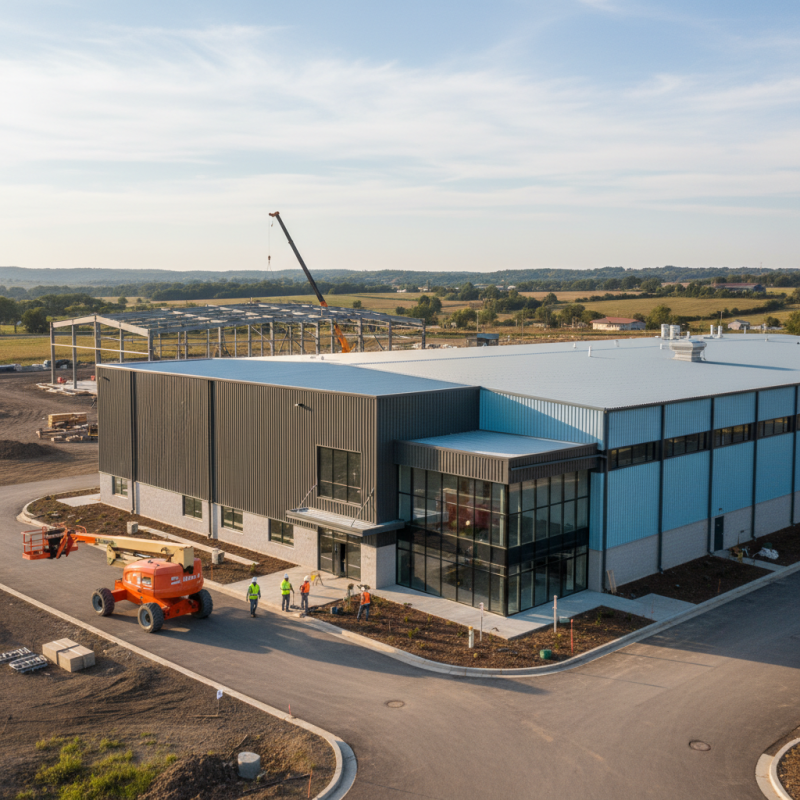
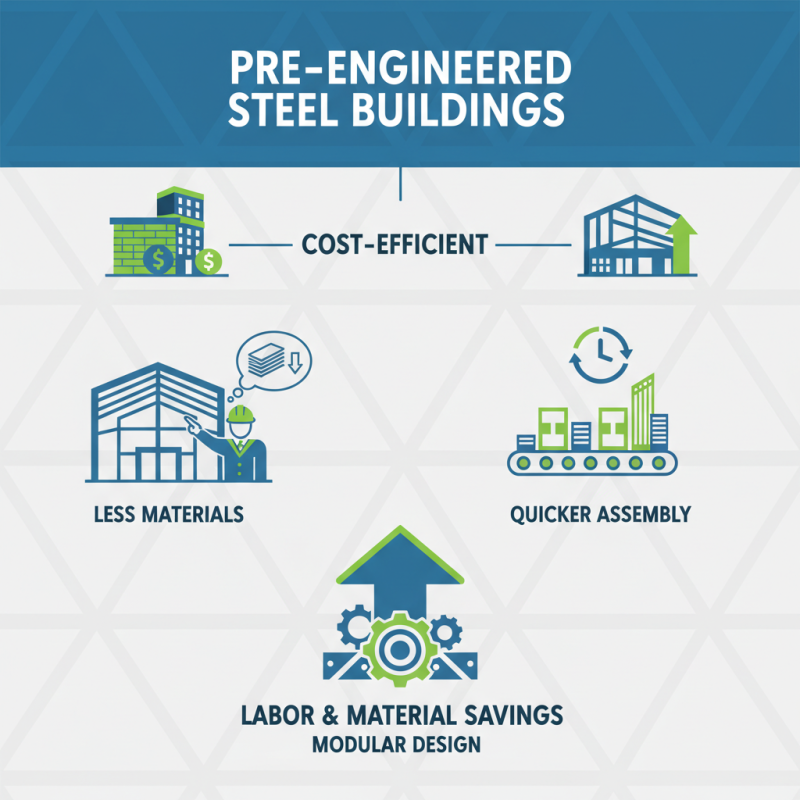
Pre engineered steel buildings are gaining popularity for various construction projects. One of the most striking advantages is their cost efficiency. These structures typically require fewer materials compared to traditional buildings. This can lead to significant savings in both labor and material costs. Additionally, their modular design allows for quicker assembly, reducing labor time on-site.
However, cost efficiency is not just about spending less. It also involves long-term savings. Steel buildings often have lower maintenance expenses. They are durable and can withstand harsh weather conditions. Yet, some might find initial costs daunting. It's essential to weigh the long-term benefits against upfront investments.
Another factor to consider is energy efficiency. Many pre engineered options come with insulation choices that improve energy use. This can translate to lower utility bills over time. Yet, the effectiveness can vary based on design and local climate. Ensuring the right choices for insulation can be a reflective process. Being mindful of both immediate and future costs helps in making an informed decision.
Prefabricated steel buildings offer a significant advantage when it comes to speed of construction. A recent industry report noted that using prefabricated components can cut construction time by up to 50%. This means faster project delivery, allowing businesses to start operations sooner. The modular approach also minimizes on-site labor, which can reduce overall costs.
Consider a typical project timeline. Traditional building methods can stretch over months or even years. In contrast, with pre-engineered structures, assembly can often occur in just weeks. Skilled labor on site is reduced, which aids in meeting tight deadlines. Furthermore, the precision of prefabrication leads to fewer errors. There’s less need for rework, which can often slow down the project.
However, challenges do exist. Proper planning is essential for these benefits to be fully realized. Site conditions must be optimal for quick assembly. If not, delays may occur. Accurate measurements and forecasts are critical; any miscalculations can negate time savings. Consider the impact of unforeseen weather changes, which can stall even the best-laid plans. Balancing efficiency with attention to detail is key in these projects.
| Benefit | Description | Time-Saving Impact |
|---|---|---|
| Faster Construction | Prefabricated components allow for rapid assembly. | Reduces building time by 30-50%. |
| Reduced Labor Costs | Less on-site labor required due to factory-built components. | Saves up to 20% on labor expenses. |
| Less Weather Delays | Components are constructed indoors, minimizing weather-related issues. | Cuts delays by up to 40%. |
| Streamlined Design Process | Standardized designs expedite planning and approval phases. | Saves between 2-4 weeks in design time. |
| Optimized Resource Use | Less waste produced as components are made to exact specifications. | Minimizes material waste by 15-25%. |
| Integration of Technologies | Modern technologies improve the efficiency of design and construction. | Reduces overall project time by 10-20%. |
| Safety Enhancements | Safer working conditions in controlled environments. | Cuts accident rates by 30% during construction. |
| Flexibility in Design | Easy to modify designs based on project needs. | Can adapt quickly without delays. |
| Environmental Sustainability | Eco-friendly materials and reduced site impacts. | Promotes faster green approvals. |
| Cost Efficiency | Overall savings through reduced construction and labor costs. | Achieves up to 20% cost savings. |
Pre-engineered steel buildings offer remarkable design flexibility for a variety of projects. Customization options allow for changes in size, shape, and layout. You can choose different colors, wall panels, and roof styles. This flexibility can meet specific project needs while maintaining an attractive aesthetic. However, crafting a truly unique design can lead to challenges. Aligning various components may require extra time and resources.
Moreover, incorporating energy-efficient features can enhance your building’s functionality. Skylights or insulation can be tailored based on your climate. Still, this customization might complicate the initial planning phase. It's essential to balance uniqueness with practicality. Making frequent adjustments can lead to confusion among contractors. Clear communication is vital during this process.
Consider the environmental impact when designing as well, as some materials may be more sustainable than others. Striking a balance between innovation and feasibility is crucial. Each decision shapes the end result, which may not always align with the original vision. Embracing these challenges could lead to effective and creative solutions, resulting in a structure that truly reflects your intentions.
Pre-engineered steel buildings are becoming popular for many projects. One of the main advantages is their durability. Steel structures can withstand harsh weather conditions. They resist corrosion, which helps them last longer. Unlike wood, steel does not warp or crack over time. This means that maintenance costs are lower.
Tips: When selecting steel for your building, consider the quality of the materials. Not all steel is the same. A small difference can affect longevity.
Another key benefit is their longevity. With proper design, these structures can last several decades. This is not always the case with traditional buildings. Many factors can impact how long a structure lasts. Poor construction can lead to premature issues.
Tips: Always hire experienced professionals for installation. Their expertise can enhance the building's lifespan. Sometimes, lower initial costs lead to higher long-term expenses.
Overall, pre-engineered steel buildings provide an excellent long-term investment. They combine strength with efficiency.
Pre-engineered steel buildings are changing how we think about construction. They offer significant sustainability benefits. These structures are designed for efficiency. This leads to less waste and reduced energy use. Unlike traditional buildings, they can often be built faster, minimizing the carbon footprint of construction.
Tips: Consider using recycled materials in your project. This reduces environmental impact even further. Also, think about energy-efficient designs that use natural light. This can lower energy consumption over time.
Moreover, steel is recyclable. At the end of its life, it can be repurposed. This contributes to a circular economy. However, sourcing local steel can be challenging. It's crucial to research suppliers to ensure sustainable practices. The process can be complex and may require extra time. But the rewards are worth the effort.
Think carefully about insulation and energy systems. Effective insulation can enhance the building's eco-friendliness. Use systems that reduce electrical consumption. Explore options like solar panels. Sustainability isn't just a trend; it's a necessity for future generations.