10 Best Advantages of Using Steel Structure Buildings for Modern Construction
In recent years, the construction industry has witnessed a significant shift towards the adoption of innovative building techniques, with steel structure buildings emerging as a preferred choice for modern construction. The advantages of utilizing steel in architectural designs are numerous, making it an attractive option for both residential and commercial projects. Steel structure buildings offer enhanced durability, flexibility, and sustainability compared to traditional materials, enabling architects and builders to push the boundaries of design and functionality.
One of the key benefits of steel structure buildings is their ability to withstand extreme weather conditions, which ensures safety and longevity. Additionally, the lightweight nature of steel allows for quicker and more efficient construction processes, reducing both time and labor costs. Moreover, the eco-friendly properties of steel as a recyclable material contribute to the growing emphasis on sustainability in construction. As we delve deeper into the top advantages of steel structure buildings, it becomes evident that this modern approach not only meets the demands of contemporary architecture but also aligns with the principles of environmental responsibility.
In summary, the use of steel structure buildings represents a significant advancement in the construction industry, providing a myriad of benefits that enhance both performance and aesthetics. By exploring these advantages, we can gain a better understanding of why steel has become a cornerstone material in the evolution of modern construction practices.
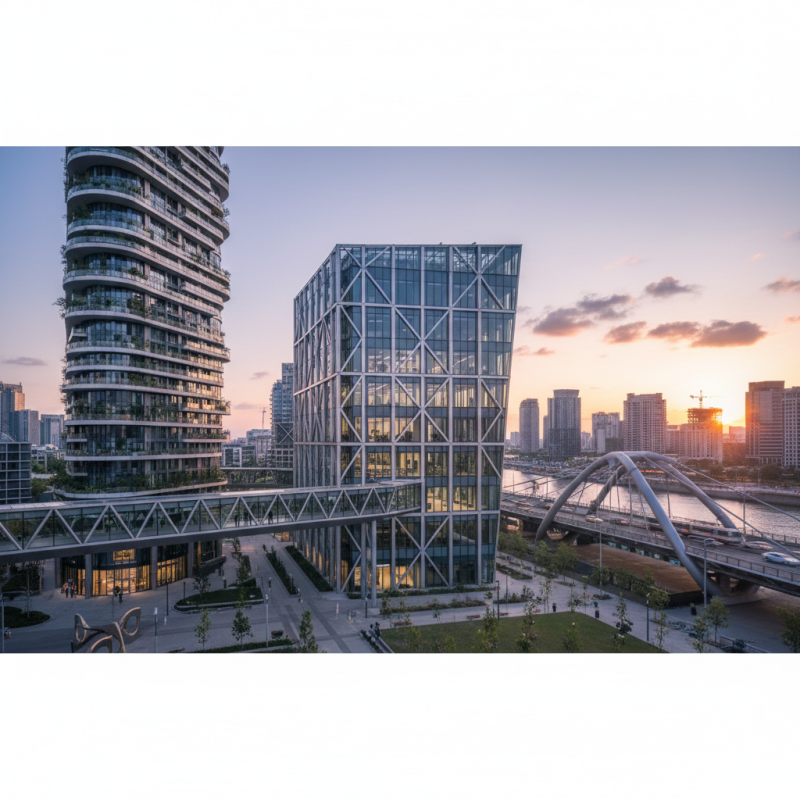
Advantages of Steel Structures: An Overview of Modern Construction Benefits
Steel structures have revolutionized modern construction, bringing a plethora of advantages that align with the demands of contemporary architecture and engineering. One significant benefit is their durability; steel is remarkably resistant to environmental stressors such as moisture, pests, and extreme temperatures, making it an ideal choice for buildings that require longevity. Additionally, steel structures allow for greater design flexibility, enabling architects to create innovative and expansive spaces without the constraints often associated with traditional building materials.
Tips: When considering steel for your construction project, it's essential to engage with experienced engineers and architects who understand the implications of using steel compared to other materials. This can help you optimize your design and ensure structural integrity.
Another notable advantage is the speed of construction that steel structures offer. Prefabrication allows components to be manufactured off-site, reducing on-site assembly time significantly. As a result, projects can be completed faster, which is advantageous for budget management and meeting tight deadlines. Moreover, steel's lightweight nature can also lead to reduced foundation costs and lower logistical challenges during transportation.
Tips: Always factor in local building codes and guidelines when planning your steel structure. Familiarizing yourself with these regulations can prevent costly delays and ensure your project adheres to safety standards.
Enhanced Durability and Longevity of Steel Structure Buildings
Steel structure buildings have gained significant popularity in modern construction due to their enhanced durability and longevity. Unlike traditional building materials, steel is resistant to various environmental factors such as moisture, pests, and extreme weather conditions. This resilience ensures that steel structures maintain their integrity over time, reducing the need for frequent repairs and maintenance. Consequently, the lifespan of these buildings can often exceed that of conventional materials, making them a cost-effective choice in the long run.
When considering steel structures, it's essential to focus on proper design and engineering practices to maximize their durability. Engaging with experienced architects and engineers who specialize in steel construction can help create structures that withstand local environmental challenges. Additionally, opting for corrosion-resistant coatings can further extend the lifespan of steel buildings, ensuring that they remain robust and visually appealing for years to come.
Tip: Regular inspections can identify wear and tear before they develop into significant issues. Schedule routine evaluations to maintain the structural integrity of your building. Also, incorporating sustainable practices during the construction phase can enhance the overall durability of steel structures while contributing to environmental conservation.
Cost-Effectiveness in Construction and Maintenance of Steel Buildings
The cost-effectiveness of steel structure buildings has made them a popular choice in modern construction, primarily due to their inherent properties and advantages. Steel, known for its high strength-to-weight ratio, allows for the creation of lighter yet sturdier structures. This results in reduced foundation costs and less material required for supporting frameworks, ultimately leading to significant savings during the construction phase. Additionally, the rapid assembly of steel components contributes to reduced labor costs and accelerated project timelines, enabling developers to streamline their operations and allocate resources more efficiently.
In terms of maintenance, steel buildings require less upkeep when compared to traditional materials like wood or masonry. Steel's resistance to common issues such as rot, pests, and weather-related degradation ensures longevity and durability, which translates into lower long-term maintenance expenses. Furthermore, steel structures can be easily modified or expanded, accommodating changing needs without extensive refurbishment or demolition. This flexibility not only saves money but also enhances the overall value of the investment, solidifying steel structure buildings as a cost-effective solution for modern architectural projects.
10 Best Advantages of Using Steel Structure Buildings for Modern Construction
| Advantage |
Description |
Cost Savings (%) |
Maintenance Frequency (Years) |
| Durability |
Steel structures have a long lifespan due to their resilience against environmental conditions. |
20% |
10 |
| Design Flexibility |
Steel allows for innovative designs and large open spaces without support columns. |
15% |
5 |
| Speed of Construction |
Pre-fabricated steel components allow for quicker assembly on-site. |
25% |
8 |
| Cost-Effectiveness |
Lower overall costs in material and labor compared to traditional materials. |
30% |
10 |
| Sustainability |
Steel is recyclable, making it a sustainable choice for modern buildings. |
10% |
15 |
| Safety |
Steel structures perform well in seismic and high-wind conditions. |
5% |
12 |
| Fire Resistance |
Steel buildings can be treated for enhanced fire resistance, improving safety. |
8% |
20 |
| Low Maintenance Costs |
Steel structures require less maintenance compared to wood or concrete. |
18% |
7 |
| Space Efficiency |
Greater usable space with fewer columns allows for more versatile layouts. |
12% |
9 |
| Aesthetic Appeal |
Modern designs using steel offer a contemporary look that is visually appealing. |
7% |
6 |
Design Flexibility and Aesthetic Versatility of Steel Structures
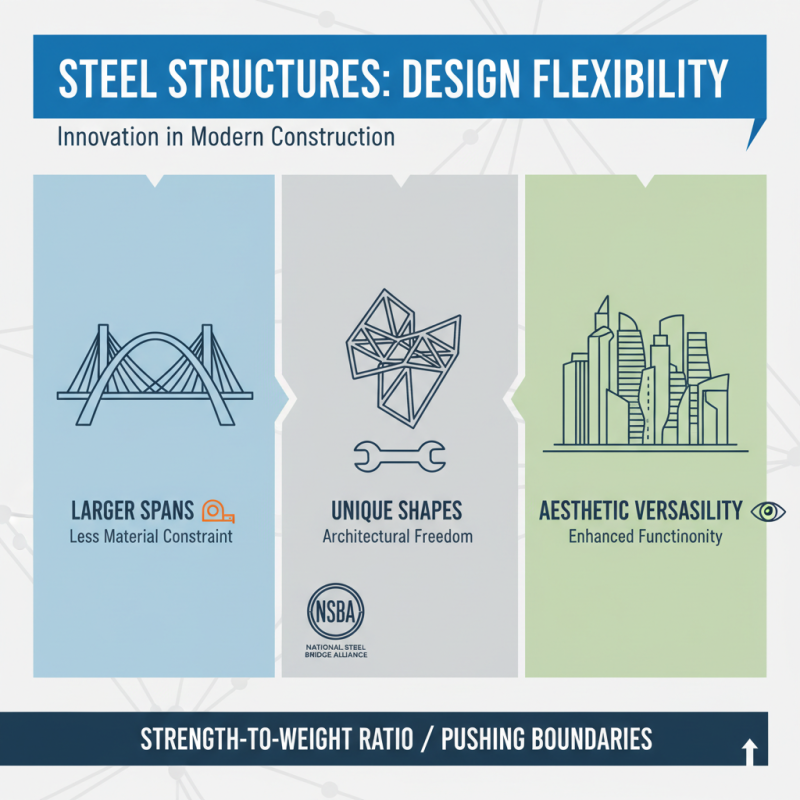
Steel structures offer remarkable design flexibility and aesthetic versatility, making them a popular choice in modern construction. According to the National Steel Bridge Alliance, steel's inherent strength-to-weight ratio allows for innovative architectural designs that can push the boundaries of traditional construction. Engineers can create larger spans and unique shapes without the constraints typically imposed by other building materials. This freedom in design not only opens new possibilities for architects but also enhances the functionality of the built environment.
Moreover, the aesthetic versatility of steel structures is supported by a wide range of finishing options, including coatings and cladding that can mimic other materials or provide a modern look. A report from the American Institute of Steel Construction highlights that the use of steel can contribute to sustainable design practices, as it is fully recyclable and can be integrated with eco-friendly features. This capability to blend functionality with visual appeal allows for the creation of striking buildings that are both impressive and environmentally responsible. Such features make steel structures an attractive choice for a variety of projects, from commercial spaces to cultural landmarks, supporting both creative architecture and sustainable construction initiatives.
Sustainability and Eco-Friendliness of Steel Construction Materials
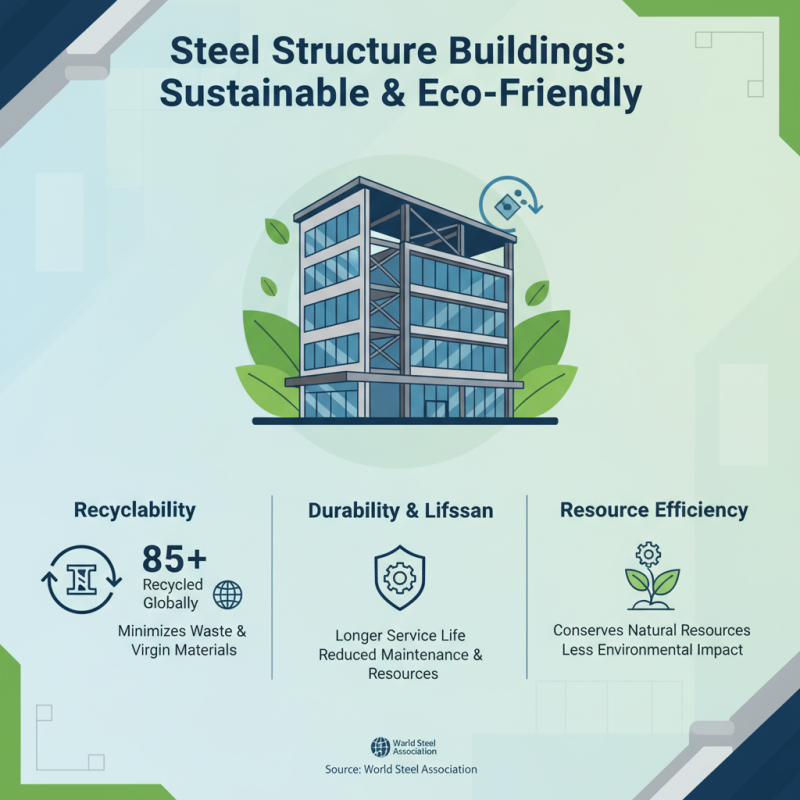
Steel structure buildings stand out in modern construction due to their significant sustainability and eco-friendliness. According to the World Steel Association, steel is one of the most recycled materials globally, with over 85% of steel scrap being recycled at the end of its lifecycle. This high recycling rate minimizes waste and reduces the demand for virgin materials, thus conserving natural resources. Steel's durability also contributes to sustainable building practices; it boasts a longer lifespan and requires fewer resources for maintenance compared to other construction materials.
Moreover, the energy efficiency of steel buildings plays a crucial role in reducing carbon footprints. A report by the American Iron and Steel Institute indicates that steel construction can lead to a 20-30% reduction in energy consumption during the building's operational phase. Steel's ability to support large spans allows for open floor plans and efficient HVAC systems, optimizing energy use. Additionally, advancements in steel manufacturing technology have resulted in lower emissions during the production process, aligning with global goals for sustainable development. As more architects and builders recognize these benefits, steel structure buildings continue to gain momentum as an eco-friendly choice in contemporary construction.