2026 Top Trends in Steel Structure Designs and Innovations?

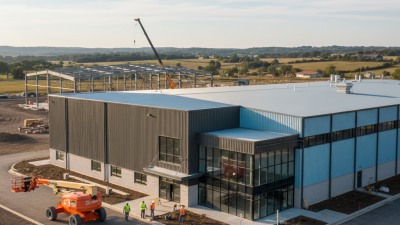
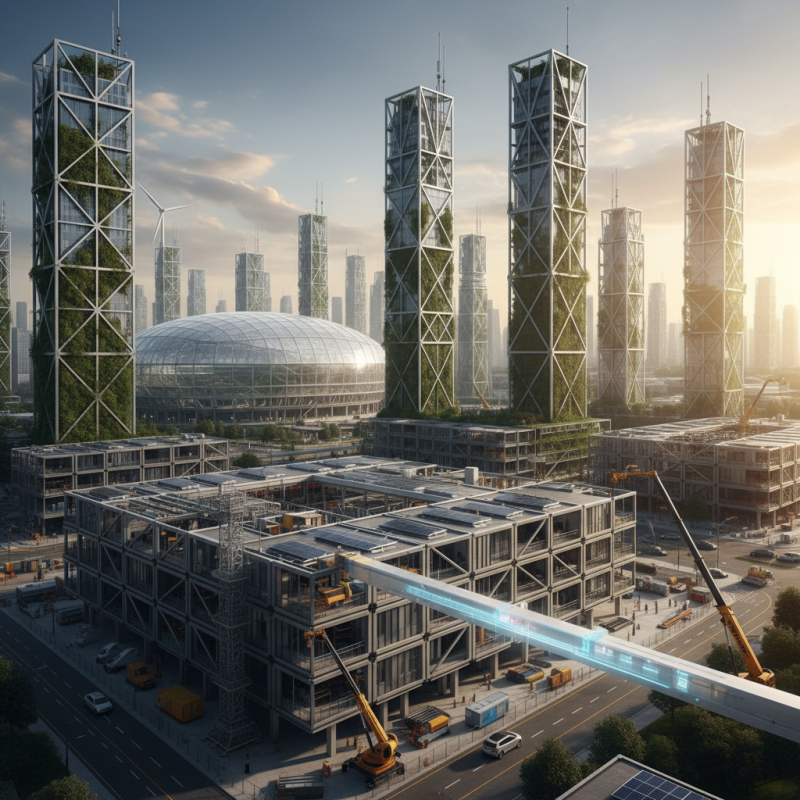
The world of steel structure designs is rapidly evolving. As we approach 2026, innovative trends are shaping the industry. Architects and engineers are increasingly adopting modular construction methods to boost efficiency. These techniques allow for faster assembly and less waste, making projects more sustainable.

In addition, smart technology is playing a vital role. Integrating sensors into steel structures enhances monitoring and maintenance. This leads to safer buildings and reduced costs over time. However, the challenge remains in balancing innovation with traditional practices. Some long-standing techniques may not adapt well to new technologies.

The focus on sustainability also raises questions. Are we using the right materials? Can we truly minimize our carbon footprint? As we explore these trends, reflecting on our choices is crucial. The future of steel structures offers both exciting possibilities and important considerations.
2026 Top Trends in Steel Structure Designs and Innovations?

Emerging Technologies in Steel Structure Design for 2026
2026 Top Trends in Steel Structure Designs and Innovations?

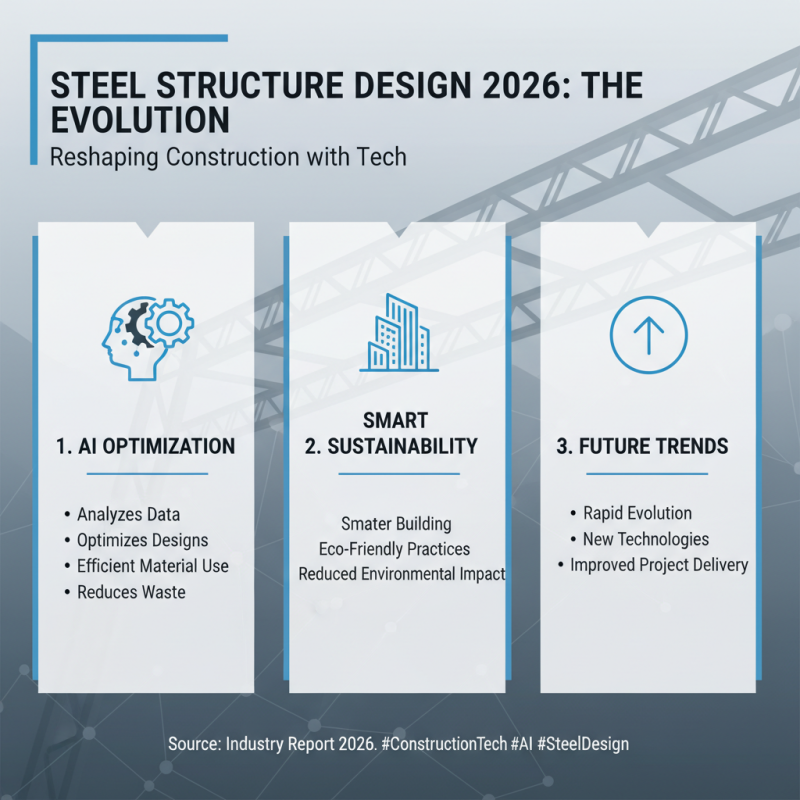
The steel structure design landscape is evolving rapidly. In 2026, several emerging technologies will redefine how we approach construction. One prominent trend is the use of artificial intelligence. AI algorithms can analyze vast data sets, optimizing designs based on specific requirements. This leads to more efficient materials usage and reduces waste. It's a shift towards smarter, more sustainable building practices.

Another significant development is the integration of modular construction techniques. Prefabricated components simplify assembly on-site. They enhance speed and reduce labor costs, but there are challenges. Quality control and logistical issues can arise. It's essential to ensure that these modules meet rigorous safety standards before installation.

Additionally, advancements in materials science are paving the way for innovative steel alloys. These new materials can offer improved strength and durability while remaining lightweight. However, the production processes may still need refinement. Balancing performance with cost-efficiency is crucial for widespread adoption. The future holds promise, but the journey requires critical evaluation and continuous improvement.
Sustainability Trends Impacting Steel Construction Innovations

2026 Top Trends in Steel Structure Designs and Innovations?

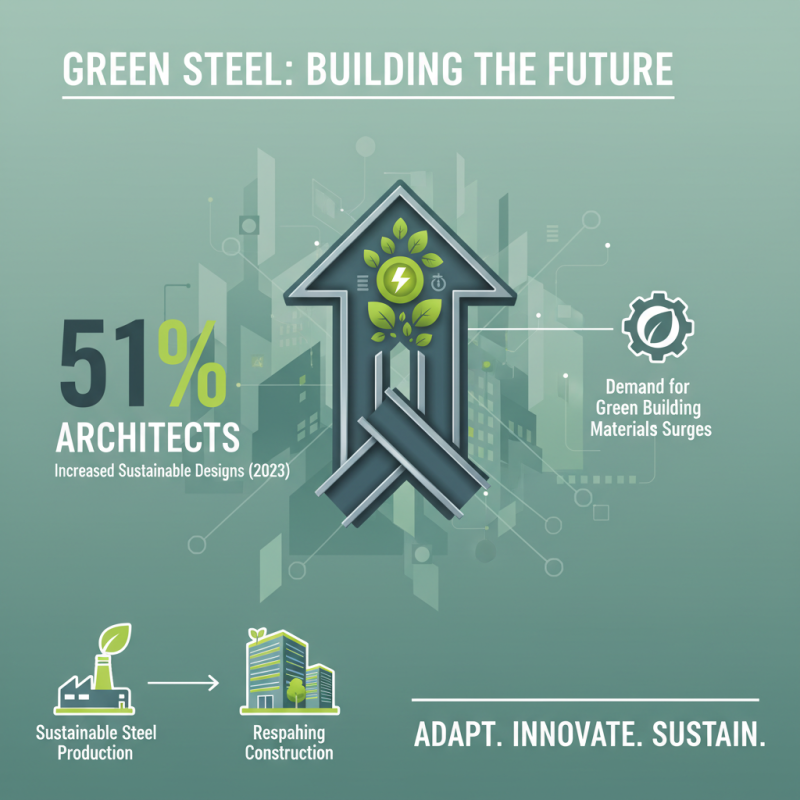
Sustainability is reshaping steel construction. The demand for green building materials is surging. In 2023, 51% of architects reported a significant increase in sustainable design applications. This reflects a shift. Steel production must adapt to meet these expectations.

Recycled steel is gaining traction. Nearly 70% of steel today comes from recycled sources. This reduces waste and energy consumption. However, challenges remain. Sourcing quality recycled steel can be difficult. Not all suppliers maintain the same standards.

Innovations in steel structure designs are also emerging. Advanced fabrication techniques improve efficiency. The rise of modular construction offers speed and flexibility. Yet, industry stakeholders must address the environmental footprint of these processes. Balancing innovation and sustainability is crucial. The future of steel hinges on responsible practices.

Modern Aesthetic Design Approaches in Steel Structure Architecture

Modern aesthetics play a crucial role in steel structure architecture. This trend emphasizes both functionality and beauty. Designers now blend elegant lines with robust materials. The goal is to create visually striking buildings that also serve practical needs. According to a 2022 report by the Steel Construction Institute, 68% of architects prioritize aesthetic appeal in their projects.

Sustainable design elements are also gaining traction. Architects are incorporating green roofs and solar panels into steel structures. These features enhance the building's appearance while reducing its carbon footprint. The same report indicates that 75% of consumers prefer eco-friendly designs. This shift reflects a growing awareness of environmental issues in architecture.

However, challenges remain in material selection and construction processes. Balancing beauty with safety is not always straightforward. Innovative design often requires complex engineering solutions, which can increase costs. Thus, while the trend is promising, reflections on feasibility and budget constraints are essential.

2026 Top Trends in Steel Structure Designs and Innovations

Trend Description Impact Area Year of Adoption
Sustainable Materials Use of recycled and eco-friendly materials in steel construction. Environment 2023
Smart Steel Structures Integration of IoT technology for monitoring and maintenance. Construction 2024
Modular Construction Prefabricated sections of buildings for quick assembly. Cost Efficiency 2025
Innovative Aesthetic Designs Unique and artistic structural designs using steel. Architecture 2026
Seismic-Resistant Designs Design techniques that enhance buildings' resistance to earthquakes. Safety 2026

Advancements in Steel Fabrication Techniques and Methods

Advancements in steel fabrication techniques are transforming the industry. Automation is at the forefront, improving efficiency and precision. For instance, a report by MarketsandMarkets suggests that the global steel fabrication market is expected to reach $236 billion by 2026. This growth stems from innovative processes such as robotic welding and CNC machining. These methods reduce labor costs and minimize material wastage.

Laser cutting technology is another game-changer. It allows for intricate designs that were previously difficult to achieve. Recent studies indicate that companies using laser cutters saw a 30% increase in productivity. Trends indicate that more firms are adopting this technology, yet challenges remain. Not every fabricator can afford these sophisticated machines, creating a potential gap in the market.

Tips: When selecting fabrication methods, consider long-term benefits versus immediate costs. Investing in advanced technology may pose upfront challenges but can lead to greater efficiency. Stay informed about industry trends and adapt to changes gradually. Sustainable practices are also becoming essential. Reducing waste not only saves money but also appeals to eco-conscious clients.

Integration of Smart Technologies in Steel Structures for Enhanced Performance

The integration of smart technologies in steel structures is revolutionizing design and performance. Sensors embedded in steel frameworks can monitor stress and strain in real time. This proactive approach detects issues before they escalate, potentially preventing failures. Imagine a building that can alert engineers about structural integrity. It could extend the lifespan of constructions significantly.

Additionally, energy efficiency is being enhanced through smart technologies. Automated systems adjust lighting and temperature based on occupancy. Smart materials change properties in response to environmental conditions. These innovations not only save energy but also make environments more comfortable. However, the use of complex technology poses a challenge. The initial setup can be expensive and complicated.

Data security is another concern. Smart structures collect vast amounts of information, making them targets for cyber-attacks. Developers must ensure robust security protocols are in place to protect this data. Balancing innovation and safety in smart steel structures is critical. As we embrace these advancements, ongoing reflection is necessary to address potential pitfalls.

2026 Top Trends in Steel Structure Designs and Innovations

This chart illustrates the percentage of various innovative trends expected in steel structure designs by 2026, highlighting the integration of smart technologies for enhanced performance.