2026 Top Trends in Construction Site Management and Technology Innovation?

The construction site industry is undergoing a significant transformation driven by new technologies and innovative management practices. According to a recent report by McKinsey, the construction sector is projected to grow by 4.5% annually, fueled by advancements in project management software, drones, and Building Information Modeling (BIM). However, with rapid innovation comes the need for cautious reflection. Industry experts emphasize the importance of balancing these technologies with effective training and human oversight.

John Smith, a renowned construction management expert, recently stated, “The future of construction sites lies in the synergy between technology and skilled labor.” This highlights a critical aspect of construction site management: technology should enhance human capabilities, not replace them. While implementing new tools can increase efficiency, challenges such as worker resistance and the need for ongoing education cannot be overlooked.

Innovation in construction site management can lead to smarter project delivery and improved safety. Yet, as we embrace these future trends, leaders in the industry must consider the complexities that come with change. Ensuring that construction sites remain productive and safe requires foresight, adaptability, and a keen understanding of both technology and workforce dynamics.

2026 Top Trends in Construction Site Management and Technology Innovation?

Emerging Technologies Transforming Construction Site Management in 2026

In 2026, the construction industry will see significant shifts due to emerging technologies. According to recent data, nearly 40% of construction firms are adopting artificial intelligence to enhance project management efficiency. This technology aids in predictive analytics. It improves resource allocation and reduces delays. AI can optimize schedules and budgets. Yet, many firms struggle with implementation.

Building Information Modeling (BIM) is also gaining traction. Nearly 65% of contractors report using BIM regularly. This technology allows for detailed visualizations of projects. It reduces errors and miscommunications. However, the learning curve for teams is steep. Studies show that 30% of firms see initial struggles with software integration.

Drones and IoT devices are becoming common on job sites. About 50% of teams utilize drones for site surveys. They capture real-time data, enabling faster decision-making. Nevertheless, regulatory challenges remain. Many companies face hurdles in drone operations due to local laws. Improving knowledge and training in this area can mitigate risks. As these technologies evolve, construction site management must adapt continuously. The potential for improvement is immense, but so are the complexities.

2026 Top Trends in Construction Site Management and Technology Innovation

Trend Description Impact Adoption Rate (%)
Building Information Modeling (BIM) Enhanced project visualization and collaboration through digital modeling. Increased efficiency and reduced errors in the construction process. 85%
Drone Technology Aerial surveys for site inspections and monitoring progress. Improved safety and real-time project tracking. 70%
Artificial Intelligence (AI) Predictive analytics for project management and risk assessment. Enhanced decision making and cost savings. 65%
IoT Integration Connected devices for real-time data collection and automation. Increased operational efficiency and proactive maintenance. 60%
Sustainable Construction Practices Use of eco-friendly materials and energy-efficient methods. Reduced environmental impact and compliance with regulations. 75%

Impact of Drones and Automation on Construction Efficiency and Safety

Drones have transformed construction site management. They provide real-time data and aerial views. This enhances surveillance and project tracking. Drones can cover large areas quickly. They reduce the time spent on manual inspections. However, relying too much on drones can lead to oversight. Operators must ensure they check all aspects.

Automation is another pivotal element. It streamlines repetitive tasks, increasing efficiency. Robotic systems can handle heavy materials. This minimizes the risk of injury. Workers can focus on more complex jobs. Yet, over-automation may create skill gaps. Continuous training is essential for adapting workers to new tools.

Tips for integrating these technologies: Start small and test the devices. Gather feedback from your team. Training sessions are vital for effective use. Evolving worksite demands require flexibility. Stay proactive about possible technological shortcomings. Embrace innovation, but remain mindful of its challenges.

Impact of Drones and Automation on Construction Efficiency and Safety (2026)

The Role of Sustainable Practices in Construction Technology Innovations

Sustainable practices are transforming the construction industry. A recent report indicates that green building is projected to comprise 50% of the market by 2026. This shift emphasizes energy efficiency and resource management. Construction sites now focus on reducing waste and maximizing material reuse. Implementing sustainable technology leads to lower operational costs and improved project outcomes.


Introducing innovations like recycled materials is critical. For instance, using recycled concrete reduces landfill waste and decreases the carbon footprint. Additionally, solar panels on sites help generate renewable energy. However, challenges remain. Not all construction teams are fully trained in sustainable practices. Communication gaps can hinder the effective implementation of these technologies.


Adoption of smart technology to monitor construction processes is also growing. Sensors track resource usage and detect inefficiencies in real time. However, data security is a concern. Many companies struggle to protect sensitive information while leveraging technology. Balancing sustainability with innovation is a continuous process. The industry must navigate these hurdles for lasting change.

Leveraging Data Analytics for Enhanced Decision-Making on Job Sites

2026 Top Trends in Construction Site Management and Technology Innovation?

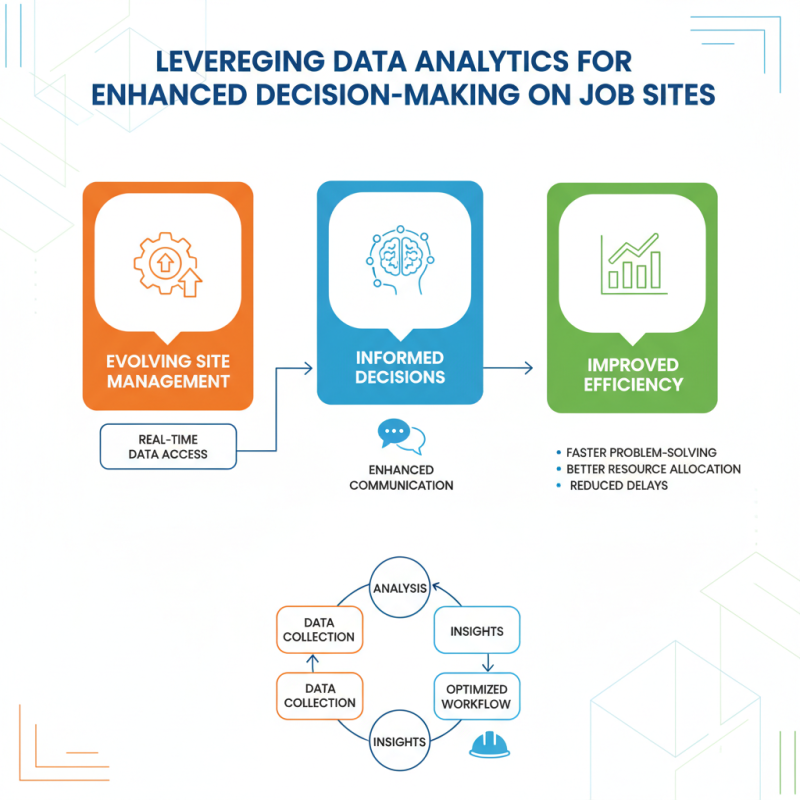
Construction site management is evolving rapidly. Data analytics is a game changer. It helps teams make informed decisions quickly. Access to real-time data enhances communication among workers. This leads to improved overall efficiency on job sites.

Tips for using data analytics effectively: Identify key performance indicators (KPIs) relevant to your projects. Use simple dashboards to visualize data. Regularly review the analytics to spot trends or issues. Continuous adaptation is necessary to stay updated.

Despite the benefits, challenges remain. Not all teams are equipped for data-driven management. Some may struggle with data overload. It's crucial to find a balance. Keep analytics clear and focused. This ensures everyone understands the insights. Implementing data analytics isn't a one-time task; it's an ongoing journey.

Integration of AR and VR in Training and Safety Protocols in Construction

2026 Top Trends in Construction Site Management and Technology Innovation?

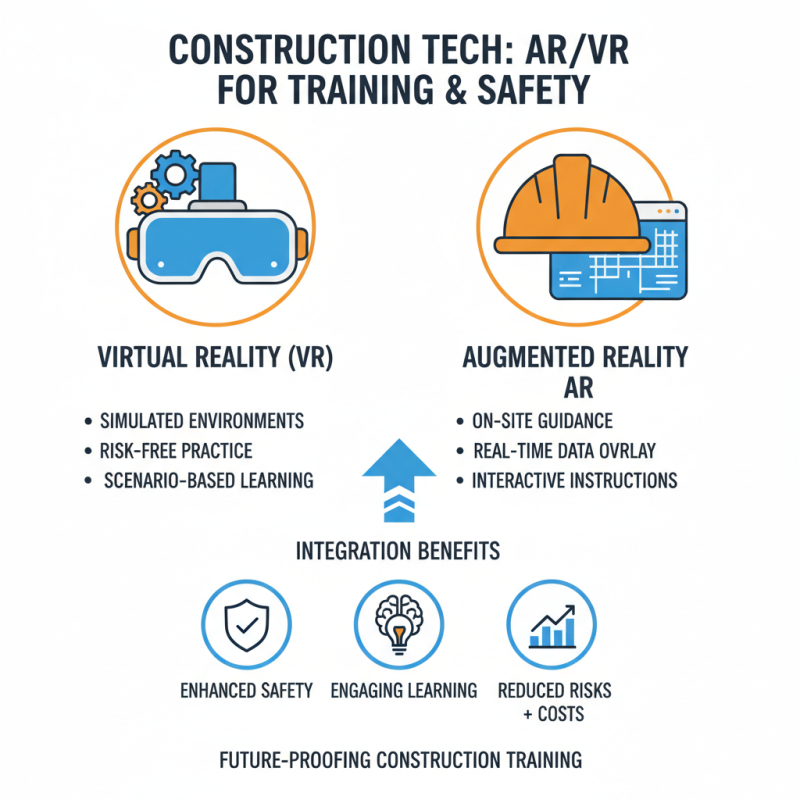
The construction industry is on the brink of a tech-driven transformation. Augmented Reality (AR) and Virtual Reality (VR) are gaining traction in training and safety protocols. These technologies offer immersive training experiences, making learning more engaging. Workers can now practice in virtual environments that simulate real-life scenarios. This reduces risks during on-site training.

However, the implementation isn't flawless. Not all workers adapt quickly to these technologies. Some may struggle with new systems, leading to potential lapses in safety understanding. It’s crucial to provide comprehensive support and training for all employees. If the technology overwhelms them, the benefits diminish. Investing in tailored training programs can enhance user comfort.

Safety protocols benefit significantly from AR and VR. Workers can visualize hazards through AR, receiving guidance in real-time. Yet, reliance on these tools can lead to overconfidence. Workers might underestimate traditional safety practices. Balancing technology with fundamental safety training remains essential. Construction sites are demanding environments where every safety measure counts. Enhanced training must ensure workers remain vigilant and competent, regardless of the tools used.