2026 Top Outside Glass Doors Trends for Global Buyers?
The architectural design landscape is rapidly evolving. As we move towards 2026, "Outside Glass Doors" are emerging as a significant trend among global buyers. This trend reflects a shift towards open spaces that connect indoor and outdoor environments seamlessly. Homeowners appreciate the natural light and fresh air these doors provide, enhancing overall living experiences.
In addition, fashion-forward designs are becoming more functional. Many buyers seek durability and energy efficiency in their choices. Outside Glass Doors are now available in various styles that offer security without sacrificing aesthetics. This balance is crucial for modern spaces that prioritize both beauty and practicality.
However, with so many options available, buyers may feel overwhelmed. It's essential to research and choose a reputable supplier. Considerations such as climate, material quality, and installation standards can greatly impact long-term satisfaction. Reflecting on these aspects ensures that your choice of Outside Glass Doors aligns with your specific needs and contributes positively to your home environment.
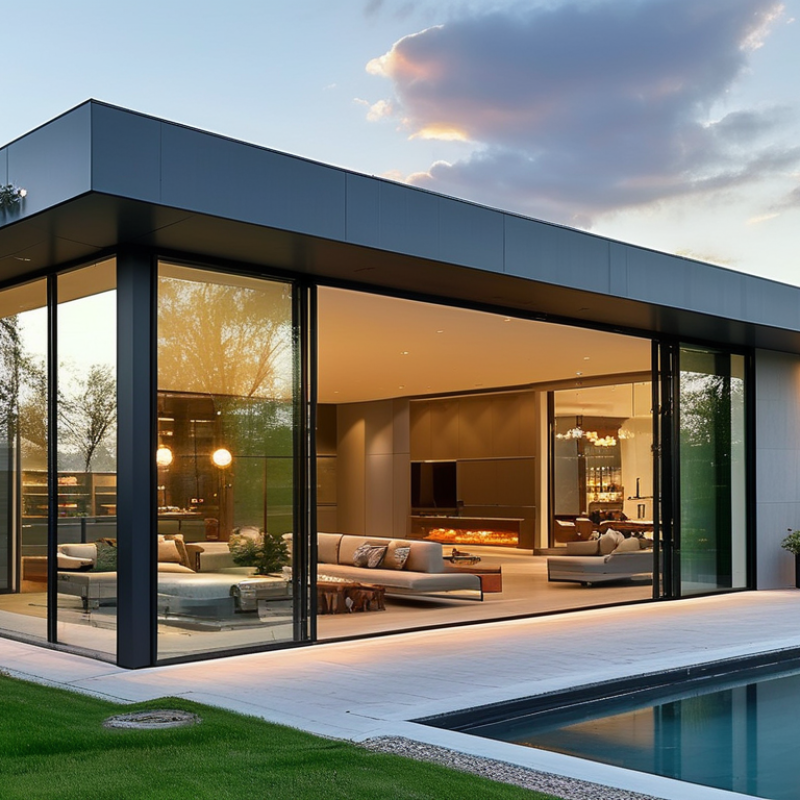
Emerging Styles in Top Outside Glass Doors for 2026
As we move into 2026, the trends in outside glass doors are evolving. The emerging styles reflect both functionality and aesthetics. Predictably, a significant 70% of buyers seek doors that seamlessly blend indoor and outdoor spaces. This preference points to a growing focus on minimalism and transparency. Large, unobstructed glass panels remain in demand. They create an illusion of space while maximizing natural light.
Sustainability also plays a crucial role in design choices. Reports indicate that 54% of consumers prioritize eco-friendly materials. This shift pushes manufacturers to explore new options, such as recycled aluminum and energy-efficient glass. Designs that incorporate smart technology are gaining traction. Features like automated opening mechanisms and integrated security systems offer convenience and peace of mind.
Despite the positive trends, challenges exist. Many buyers grapple with installation complexities and maintenance needs. The glass surface can be prone to fingerprints and smudges, which requires regular cleaning. Some consumers have expressed concerns about energy efficiency in extreme weather conditions. Evaluating the balance between style and practicality is critical for homeowners. The journey into 2026 promises unique innovations while demanding reflection on functionality and upkeep.
Innovative Materials for Glass Doors: Trends to Watch
The trend of using innovative materials for glass doors is rapidly evolving. With sustainability and aesthetics in mind, manufacturers are exploring eco-friendly options. A recent market report highlighted that the use of recycled glass has surged by 25% in new designs. This shift reflects a growing demand for greener building solutions. Architects are now favoring glass doors made from tempered or laminated glass, which increases safety without sacrificing style.
Consider the aesthetic appeal brought by frosted or etched glass. These finishes provide privacy and elegance. According to industry experts, this segment is projected to grow by 15% in the coming years. Implementing these modern materials can enhance both residential and commercial spaces. However, buyers must remain cautious about the structural integrity and thermal performance of these products.
When selecting glass doors, always evaluate the quality of materials used. Examine certifications and testing processes to ensure durability. Think about the installation conditions; they significantly affect longevity. Investing in proper maintenance routines can also enhance the lifespan of your glass doors. Embracing these material trends can elevate your space while being mindful of environmental impact.
Energy Efficiency and Sustainability in Glass Door Design
The trend of energy efficiency and sustainability in glass door design continues to evolve. A recent report by the International Glass Association highlights that over 70% of consumers prioritize energy-efficient doors when making purchase decisions. These doors not only help save on energy bills but also reduce environmental impact. Each year, buildings waste approximately 30% of their energy due to inefficient entryways.
Innovative technologies are shaping this sector. Smart glass, which adjusts tint based on light exposure, is gaining traction. This technology can reduce heating and cooling demands. Additionally, adhesive framing systems ensure better insulation and enhance structural integrity, contributing to overall energy savings. Research indicates that effective insulation can improve energy performance by 25% or more when properly implemented.
Despite the advancements, challenges remain. Many manufacturers face difficulties integrating these technologies into existing designs. There's also the issue of cost; the initial investment in high-performance materials can deter some buyers. Balancing aesthetics with performance and affordability is essential for future growth in this market. As the demand for sustainable solutions rises, the glass door industry must continue to innovate and adapt.
Smart Technology Integration in Outside Glass Doors
Smart technology is revolutionizing the design and functionality of outside glass doors. In 2026, the integration of advanced features is becoming standard. Reports indicate that over 70% of new installations will include smart technology. This shift is driven by consumer demand for convenience and security.
Modern outside glass doors now often come equipped with sensors and smart locks. These innovations provide enhanced security and automation. For instance, some doors can automatically unlock when you approach, using facial recognition or smartphones. Data from industry surveys show that 65% of buyers prioritize security features in their door choices.
However, not all technology is flawless. Potential vulnerabilities exist, such as hacking risks or system failures. Users must educate themselves on the importance of regular software updates. Misconceptions about smart technology persist, with many believing it is too complex or expensive. Industry experts recommend thorough research and consultation before making a purchase decision, ensuring the technology aligns with personal needs and safety considerations.
Customization Options for Global Buyers in 2026 Glass Door Trends
As the demand for outside glass doors rises, customization options have become crucial for buyers in 2026. According to a report by Grand View Research, the global glass door market is expected to reach $10 billion by 2026, indicating a significant shift in consumer preferences. Custom options allow homeowners to create spaces that reflect their style, needs, and functionality.
Design choices range from frame materials to glass finishes. For instance, buyers can opt for energy-efficient Low-E glass to enhance insulation. A survey from Statista reveals that around 55% of consumers prioritize energy efficiency in design. Moreover, tempered glass is increasingly popular for its durability and safety. Offering varying degrees of opacity also allows for a blend of privacy and light.
While these trends are promising, they also present challenges. Customization can lead to lengthy production times and higher costs. Buyers may feel overwhelmed by the myriad choices available. The key is to balance aesthetics with practicality, ensuring the selected options meet both desires and budgets. Understanding the trends is essential but navigating the complexities of customization effectively requires careful consideration.
2026 Top Outside Glass Doors Trends for Global Buyers