As we move towards 2026, the demand for dry wall products is evolving rapidly. Global buyers must stay ahead of the latest trends shaping the industry. Innovative designs and sustainable materials are now at the forefront of the dry wall market. Many builders aim to reduce their environmental footprint while enhancing aesthetic appeal.
Current trends include lightweight options that simplify installation. These advancements cater to both DIY enthusiasts and professional contractors. However, challenges remain. Not all products offer the same quality or durability. Buyers need to remain discerning to avoid subpar options that could compromise their projects.
In addition to aesthetics and functionality, cost efficiency plays a crucial role. This factor directly impacts purchasing decisions. Global buyers must balance quality with affordability. As the dry wall industry continues to evolve, staying informed will be critical to making wise choices. A thorough understanding of these trends can empower buyers to invest wisely and achieve satisfactory results.
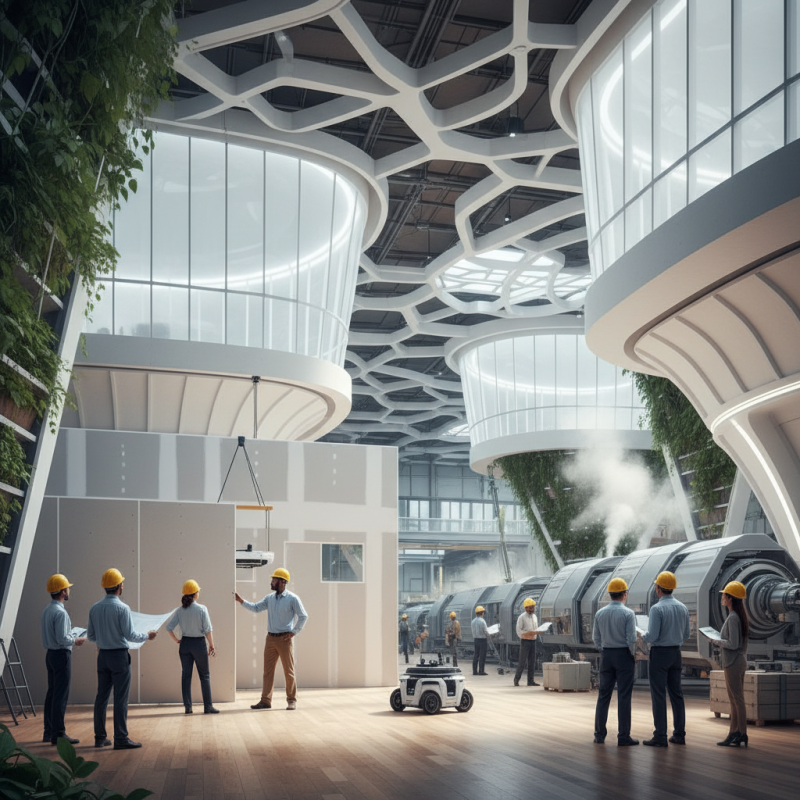
The drywall manufacturing industry is evolving rapidly. Emerging technologies are transforming production methods and enhancing efficiency. Automation plays a key role. Automated systems reduce labor costs while increasing precision. Robotics can handle repetitive tasks, allowing workers to focus on quality control.
Sustainability is another hot topic. Manufacturers are exploring eco-friendly materials. Innovations include recycling waste materials into new products. These methods lower environmental impact. They also appeal to buyers prioritizing sustainability.
Tips: Consider the lifecycle of drywall products. Assess the sustainability of materials used. Evaluate the efficiency of manufacturing processes. Look for innovations that align with your values. Exploring these aspects can lead to more informed purchasing decisions.
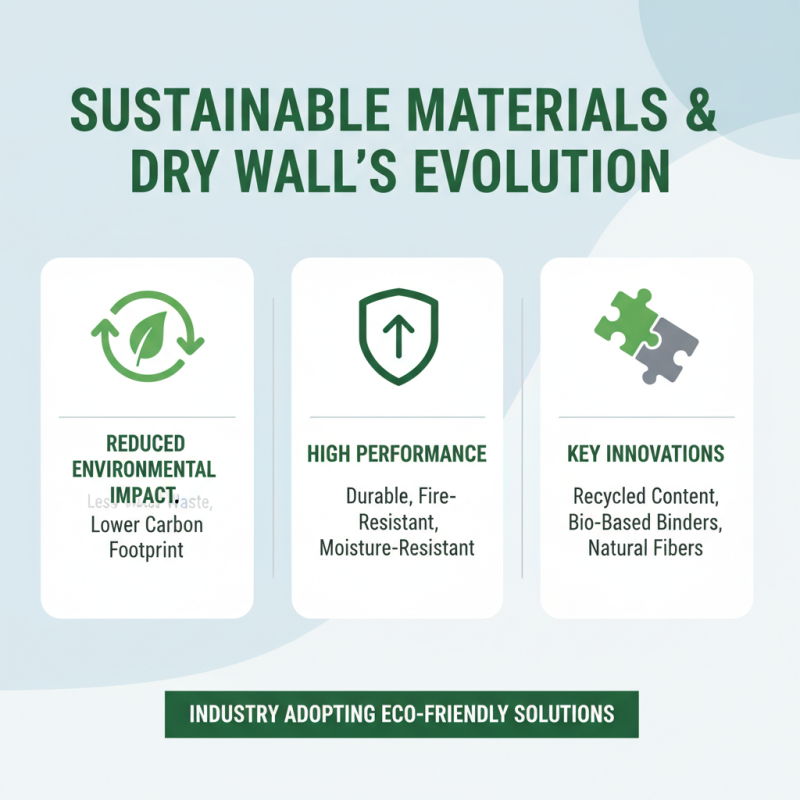
The dry wall industry is evolving rapidly. Sustainable materials are becoming increasingly crucial. These materials reduce environmental impact while maintaining high performance. Recycled content and eco-friendly options are gaining traction.
Choosing sustainable materials can be challenging. Some materials appear environmentally friendly but may not perform well. It’s essential to research the lifecycle impact of these products. Ask suppliers about certifications and testing results. This information can guide purchasing decisions effectively.
Tip: Always consider the local availability of sustainable materials. This can affect costs and the supply chain. Engaging with local manufacturers may yield better options and support community efforts. Another tip is to stay informed on innovations in sustainable technology. The industry is continuously changing, and new solutions emerge frequently.
In 2026, drywall trends are shifting towards sustainability and aesthetic versatility, particularly in residential spaces. Eco-friendly materials are gaining traction. Many homeowners are opting for recycled and low-emission drywall options. These choices support a healthier living environment. Design elements such as texture and color are becoming more prominent. Dynamic wall finishes can enhance the overall atmosphere of a room.
Textured drywall applications are increasingly popular. They add depth and character to simple spaces. Creative designs, like wave patterns or geometric shapes, draw the eye. Homeowners can experiment with bold colors or subtle hues. This personalization allows for unique expressions of style within their homes.
However, the implementation of these trends is not without challenges. Skilled labor may be required for textured applications. Budget constraints can limit design ambitions as well. When homeowners embark on these renovation journeys, they often face decisions that can be overwhelming. Balancing aesthetics with functionality requires careful planning and reflection. Thoughtful choices promise beautiful and sustainable residential environments.
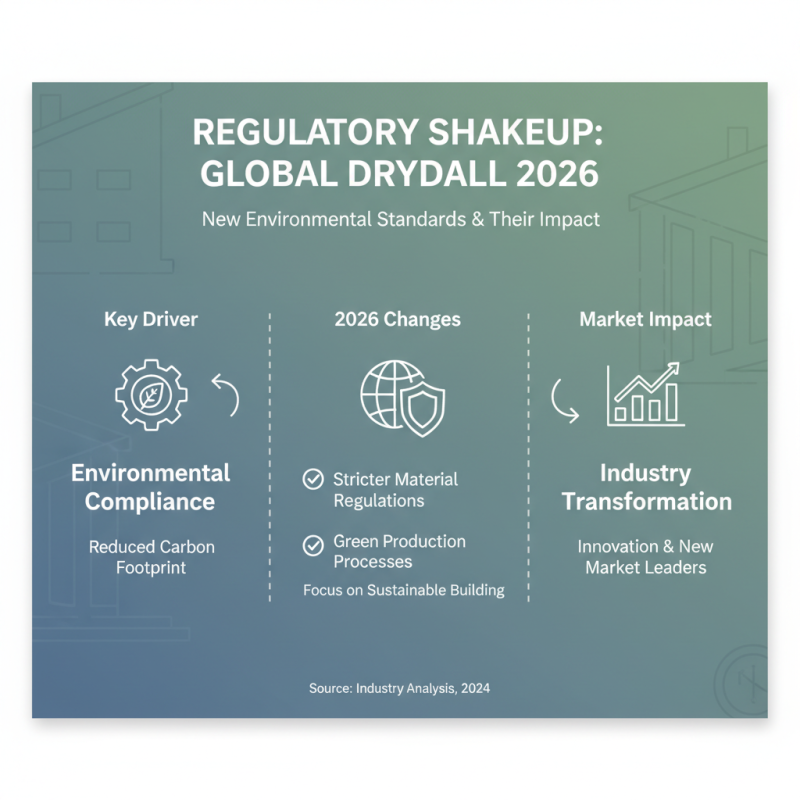
The global drywall market is set to experience significant regulatory changes in 2026. Compliance with new environmental standards is becoming crucial. Many countries are introducing stricter regulations on the materials and processes used in drywall production. These changes aim to reduce the carbon footprint of the construction industry.
Regulatory shifts also focus on fire safety and building standards. Many regions are adopting updated codes to enhance public safety. This means that manufacturers must invest in research and development. However, not all companies are ready to adapt to these changes. Some may struggle to meet the new requirements, potentially leading to a market imbalance.
Another key area of concern is import tariffs and trade policies. These factors can greatly impact pricing and availability. Buyers should remain vigilant about changes in tariffs that might affect costs. Ultimately, addressing these regulatory challenges will require innovation and collaboration among stakeholders to ensure a sustainable future for drywall production.
As consumers become more informed, their preferences significantly shape the drywall industry. Sustainability is a crucial factor. Buyers increasingly demand eco-friendly materials. They seek products with lower environmental impacts. This trend influences manufacturers to innovate. Eco-friendly options, such as recycled materials, are growing in popularity.
Furthermore, aesthetics play a vital role. Many consumers desire drywall that enhances the overall design of a space. Textured finishes and customizable colors are trending. These options allow personalization, making spaces more attractive. However, balancing aesthetics with functionality remains a challenge. Customers often grapple with choosing beautiful designs without sacrificing performance.
Durability and ease of installation also matter to consumers. Buyers appreciate products that are robust and simple to work with. While some prefer lightweight panels, others value soundproofing features. This diversity of needs can create confusion in the marketplace. Manufacturers must adapt to these varying requirements while ensuring quality. The future of drywall revolves around understanding and catering to evolving consumer preferences.
| Trend | Description | Consumer Preference (%) | Environmental Impact |
|---|---|---|---|
| Sustainable Materials | Increased demand for eco-friendly drywall made from recycled or sustainable resources. | 65% | Low |
| Lightweight Products | Preference for lightweight drywall options for easier installation and transport. | 55% | Medium |
| Soundproof Drywall | Growing interest in drywall that offers improved sound insulation for residential and commercial spaces. | 70% | Low |
| Moisture-Resistant Products | Demand for drywall that can withstand humidity and moisture, especially in kitchens and bathrooms. | 60% | Medium |
| Customizable Panels | Interest in drywall panels that can be easily customized for unique design needs. | 50% | Medium |