
The 2026 market for Surface Mounted Light is becoming more practical, efficient, and specification-driven. Global buyers now compare more than appearance. They examine efficacy, glare control, color consistency, service life, and installation speed. Flush-mount fixtures suit offices and homes. Slim LED panels fit low ceilings. Bulkhead lights serve corridors, workshops, and demanding outdoor areas. Modular surface systems support retail and commercial projects.
The International Energy Agency’s Energy Efficiency 2024 report continues to identify efficient lighting as a major energy-saving opportunity. The U.S. Department of Energy’s LED adoption research also shows strong LED penetration across common lighting applications. These findings support a clear purchasing direction: better light with lower operating demand. Yet specifications can still mislead. A high lumen number may create harsh glare. A low price may hide weak thermal design. Real projects reveal the difference.
Dr. Mariana Figueiro, a respected lighting and health researcher, uses a memorable principle: “Light is medicine.” Her work at the Lighting Research Center highlights light’s influence on human comfort and daily rhythms. That idea matters for every Surface Mounted Light selection. Buyers should review color temperature, flicker performance, optical distribution, and maintenance access. IP ratings and regional certification requirements also deserve careful verification. A perfect global shortlist does not exist. Climate, ceiling structure, user sensitivity, and local supply chains change the answer. This guide compares the leading Surface Mounted Light types for 2026, while acknowledging one uncomfortable truth: the brightest fixture is rarely the best fixture.
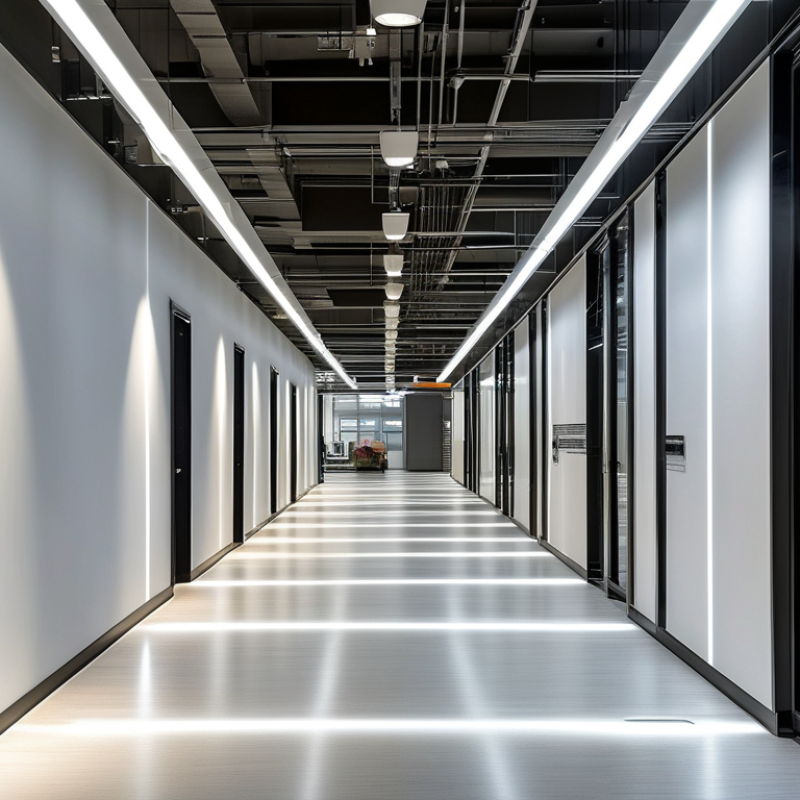
Surface mounted lights sit directly on a ceiling or wall, unlike recessed fixtures that require a cutout. Their simple structure suits concrete ceilings, shallow spaces, corridors, offices, retail areas, and homes. Common types include flush-mounted LED panels, round ceiling lights, linear fixtures, and weather-resistant bulkhead lights.
It looks simple. Yet installation quality matters. The backplate must match the junction box, and the mounting surface should support the fixture securely. Measure twice. Poor alignment can leave visible gaps or create stress around the screws. In practical projects, installers also check cable space before selecting a slim model.
Light performance depends on more than wattage. Buyers should compare delivered lumens, color temperature, color rendering, beam spread, and driver quality. A higher lumen rating is not always better. Excessive brightness may cause glare on polished floors or computer screens. Diffusers with controlled distribution usually create more comfortable interiors.
For international purchasing, confirm input voltage, frequency, dimming method, ingress protection, and local safety certification. A fixture suitable for a dry office may fail in a humid entrance or covered outdoor area. Check the driver separately when specifications are unclear. Some product sheets remain frustratingly vague. Replaceable drivers, stable thermal management, and accessible wiring can improve long-term maintenance, although they may increase initial cost. Select the light for the actual ceiling, climate, and maintenance plan, not only for its appearance.
Surface-mounted lights remain practical choices for global buyers in 2026. They attach directly to the ceiling or wall, so deep recessed space is unnecessary. Flush-mount lights suit bedrooms, corridors, and compact offices. Their closed bodies reduce dust exposure and create a clean ceiling line. Low-profile LED lights work well in modern interiors with limited ceiling height. They usually provide broad, even illumination with modest energy use. However, a slim housing does not always mean better performance. Check heat management, driver quality, and lumen maintenance before selecting a model.
Panel-style surface lights deliver uniform light across work areas, classrooms, and retail spaces. Their wide distribution helps reduce harsh shadows on desks and shelves. Surface-mounted downlights offer a more focused beam for entrances, artwork, or counters. Track-mounted surface systems add flexibility, but their visual impact may feel too technical in quiet interiors. I have seen buyers choose narrow beams for large rooms, then regret the dark corners. Lighting plans need both beam angle and mounting height.
Tips: Match the light type to the ceiling material and room purpose. Compare color temperature, glare control, dimming compatibility, and stated lifetime. For humid areas, review the IP rating carefully. Confirm local safety certification and installation requirements before ordering. Request photometric data when uniformity matters. A sample installation is wise; drawings can hide uncomfortable glare.
For global buyers, surface-mounted lights are not interchangeable. Compare the light source before judging appearance. Integrated LED modules usually provide slim profiles, stable output, and efficient energy use. Replaceable LED lamps can simplify future maintenance in remote projects. In projects I have reviewed, color temperature changed the room more than expected. Warm white suits bedrooms and hospitality areas. Neutral white often works better in offices and retail spaces. Check color rendering, rated life, input voltage, and dimming compatibility.
Shape affects both performance and installation. Round fixtures spread light evenly across compact rooms. Square and rectangular designs align better with offices, corridors, and modular ceilings. Slim fixtures reduce visual weight, but they may offer less space for heat control. A deeper housing can improve thermal performance. It may look less elegant. Review the photometric file instead of trusting product images. Beam angle, uniformity, and mounting height can change the result considerably.
Material selection should match the environment.
Powder-coated steel offers strength for indoor use, while aluminum helps transfer heat away from the LED. Polycarbonate diffusers resist impact, but low-quality material may yellow over time. For bathrooms, covered balconies, or coastal buildings, verify the correct IP rating and corrosion resistance.
I once chose an ultra-thin fixture for a warm ceiling, and the housing ran hotter than expected. That decision was too quick. Ask for test reports, electrical certifications, warranty terms, and spare-part availability before placing a large international order.
For global buyers in 2026, surface-mounted lights include round panels, linear fixtures, cylinders, and compact bulkheads. The correct installation method depends on ceiling structure, weight, wiring, and local electrical rules. Concrete ceilings usually need expansion anchors or approved screw anchors. Mark the holes carefully, drill to the specified depth, and remove dust before fixing the mounting plate. Measure twice.
Gypsum board requires more caution. A light should not hang from the board alone unless its weight stays within the tested limit. Use toggle anchors for lighter fixtures, or attach the bracket to joists and reinforcement channels for heavier units. Leave service access. On suspended grid ceilings, install a support frame or safety wire above the grid. The visible ceiling tile should not carry the fixture independently.
Wood ceilings accept wood screws when the substrate is sound and thick enough. For sloped ceilings, adjustable brackets help keep the diffuser level and reduce glare. In bathrooms, kitchens, and covered outdoor areas, select fixtures with suitable ingress protection and seal cable entries properly. Check driver ventilation, terminal tightness, and grounding before energizing the circuit. A practical mistake is placing the driver where future maintenance becomes difficult. It may look tidy today, but replacement can require removing half the ceiling. Final testing should include secure mounting, stable illumination, heat clearance, and compatibility with the building’s voltage and control system.
Surface-mounted lights include round panels, linear fixtures, bulkhead lights, and compact ceiling units. Global buyers should match each type with the installation environment. A low-profile panel suits offices, while an IP-rated bulkhead fixture handles dust or moisture better. Check the ceiling material, junction-box position, operating temperature, and available clearance before ordering. Small details matter.
Compliance is market-specific. IEC 60598-1 supports general luminaire safety, while IEC 60529 defines IP protection levels. Buyers may also need EMC testing, photobiological safety evaluation, and material declarations. North American projects often require different certification routes than European projects. Do not rely on a single certificate. Verify the report number, test scope, rated voltage, and product model.
Efficiency means more than lumens per watt. Review power factor, total harmonic distortion, flicker performance, colour consistency, and L70 lifetime data. Ask for a complete test report, not only a sales sheet. Request samples from the same production batch. Inspect the diffuser, terminal block, driver temperature, and screw quality. I have seen impressive samples fail during installation. A better sourcing process includes factory audits, incoming inspection, spare-driver planning, and clear warranty terms. The difficult part is predicting real performance after dust, heat, and voltage variation. That deserves honest discussion.
