As we look ahead to 2026, the landscape of residential construction contractors is evolving rapidly. Companies in this sector are embracing innovative technologies and sustainable practices. They aim to meet the growing demand for efficient, eco-friendly homes. Some contractors are excelling, while others struggle to keep pace.
In an industry marked by fierce competition, the most successful residential construction contractors stand out for their adaptability. They invest in training their workforce and refining their processes. Yet, it’s important to recognize the challenges they face. Market fluctuations and supply chain issues can hinder their progress.
As we explore the top contractors to watch in 2026, we’ll focus on those leading the charge. We must also consider the lessons learned from those who faltered. Analyzing both triumphs and setbacks provides valuable insights for industry stakeholders. With this perspective, we get a clearer picture of where the future of residential construction contractors is headed.
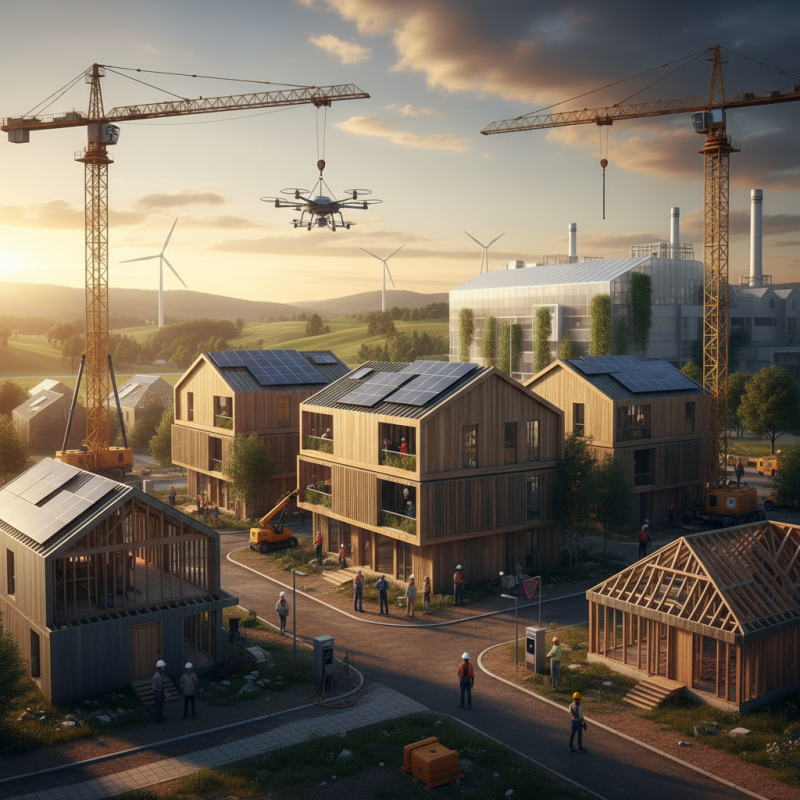
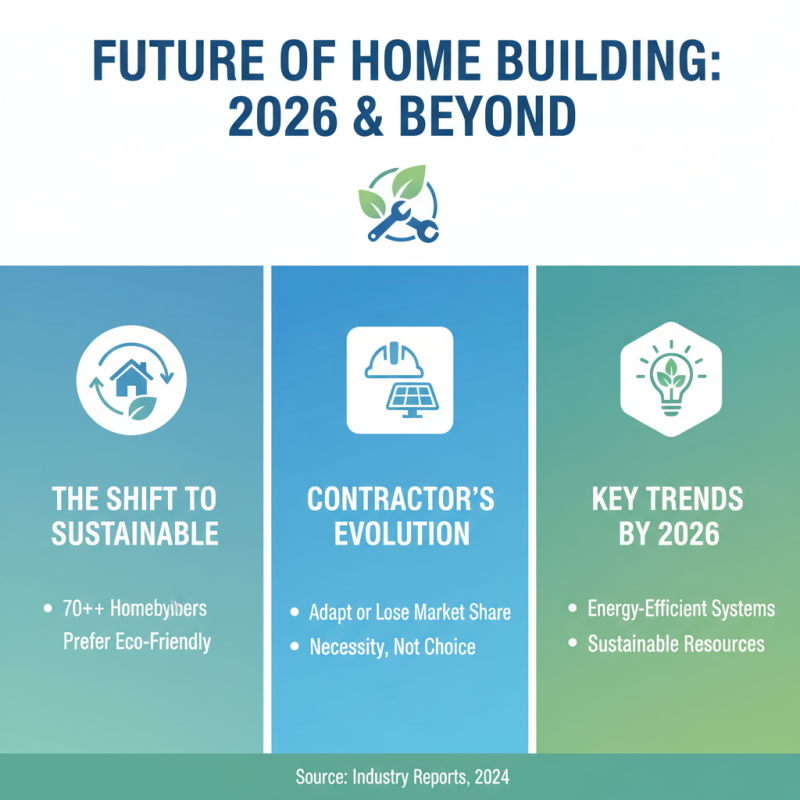
The residential construction industry is poised for significant changes by 2026. Emerging trends indicate a strong shift towards sustainable building practices. Recent reports show that over 70% of homebuyers prefer eco-friendly materials. This demand forces contractors to adapt or risk losing out. Incorporating energy-efficient systems and sustainable resources is becoming a necessity rather than a choice.
Technology is also reshaping the landscape. Smart homes are no longer just a trend; they are a requirement for new builds. Data suggests that 56% of prospective homeowners prioritize smart technology integration. Yet, many contractors still lag in adopting these advanced systems. This gap could hinder their competitiveness in a rapidly evolving market.
Furthermore, the move towards affordability remains a double-edged sword. While many contractors aim to deliver budget-friendly homes, this often compromises quality and design. Reports indicate that 40% of new builds face issues due to cost-cutting measures. Balancing affordability and quality is a constant challenge. It raises questions on how contractors can meet consumer expectations while maintaining standards. The industry must reflect on these dynamics as they prepare for the future.
Choosing the right residential construction contractor is crucial. The industry has many options, but not all are equal. Key criteria help to identify top-tier professionals. Experience is vital. Look for contractors with a solid track record in residential projects. Their past work often reflects their reliability and skill.
Considerability should also include communication skills. Top contractors listen to clients and respond promptly to questions. Poor communication can lead to misunderstandings and delays. Client testimonials provide insight into their reputations. A pattern of positive feedback is a good sign.
Tips:
The selection process is not always straightforward. Many firms present themselves perfectly but may lack substance. Reviews can be misleading, and first impressions can deceive. Pay attention to the fine details in their proposals. Variances in estimates might indicate unprofessionalism. A contractor that is clear and thorough is likely more trustworthy.
The residential construction sector is evolving rapidly. Recent reports highlight a 15% increase in demand for single-family homes in 2023. However, many contractors face challenges relating to labor shortages and rising material costs. This contradiction shows promise yet poses significant risk.
Prominent contractors focusing on energy-efficient designs are emerging as leaders. Market studies suggest that 40% of homebuyers prioritize eco-friendly features. Yet, not all contractors are adapting quickly to this trend. Some still rely on outdated practices, limiting their growth potential. Data indicates that organizations embracing modern technology increase project delivery efficiency by 30%.
Innovative design approaches are essential. Many contractors are now experimenting with prefabrication techniques. This method has been linked to a 25% reduction in construction time. However, not every contractor is equipped to make such a shift. Those who hesitate risk falling behind in a competitive landscape that demands flexibility. Without adaptation, even successful contractors may find their market share diminishing.
Innovative technologies are reshaping residential construction. In recent studies, up to 70% of contractors are investing in digital tools. These tools enhance efficiency and collaboration in building projects. For instance, Building Information Modeling (BIM) allows teams to visualize projects in 3D. This leads to fewer errors and delays on site.
Moreover, the rise of modular construction is gaining traction. Homes can be built in sections off-site and assembled on location. This method can reduce construction time by up to 50%. However, challenges remain. Not every contractor is equipped to manage these technologies effectively. Skill gaps can hinder the implementation of new methods.
Additionally, data analytics is becoming crucial. Homebuilders utilize analytics for market trends and project forecasts. A report indicated that firms using data-driven strategies saw a 20% increase in profitability. Yet, not all companies fully embrace this shift. Some still rely on traditional practices. This creates a divide in the industry, highlighting the need for thoughtful adaptation.
The residential construction industry faces unique challenges as it moves toward 2026. Rising material costs and labor shortages continue to hinder progress. Builders often scramble to find skilled workers. Many project delays stem from these ongoing issues. The unpredictability of the supply chain has not made it easier. Delays in receiving critical materials can stall projects for weeks. These hurdles force contractors to adapt continually.
Opportunities abound, despite the challenges. Sustainable building practices are gaining traction. Eco-friendly materials and energy-efficient designs are becoming essential. Homebuyers increasingly prefer green homes. Contractors looking to stand out must embrace these trends. Technology also plays a crucial role in modernization. Digital tools improve project management and communication. However, adopting new technologies requires training and an open mindset.
Contractors need to reflect on their methods. Are they flexible enough to pivot when issues arise? Building strong relationships with suppliers can mitigate risks. The willingness to innovate is vital. As the industry evolves, so must the mindset of its leaders. Embracing change can transform obstacles into powerful opportunities.