
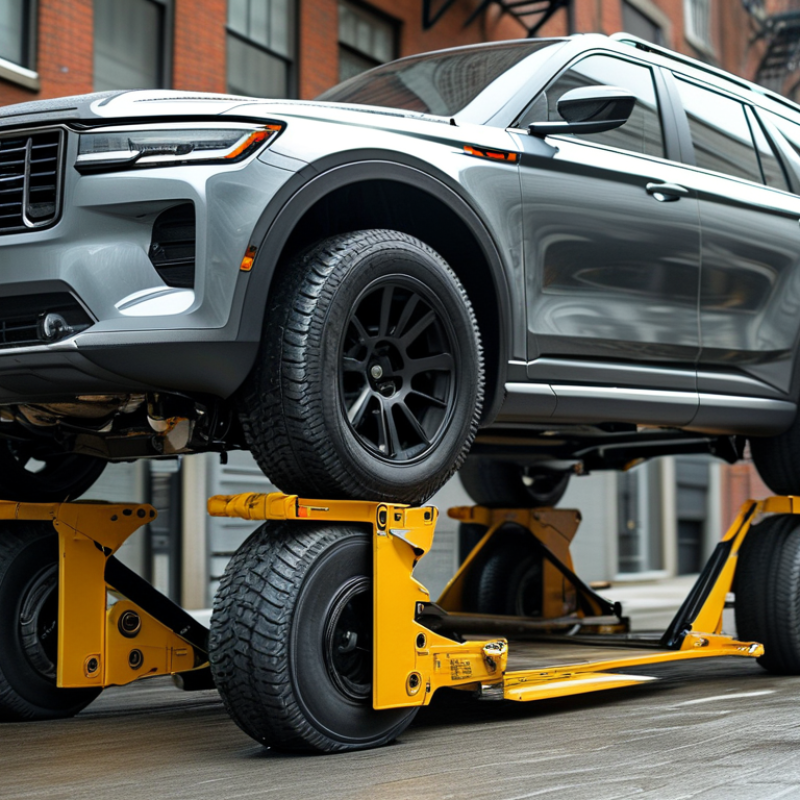
2026 Top Car Elevator Platform Types Buyers Need
Drive systems shape how a car elevator platform performs, costs, and ages. Hydraulic platforms use fluid pressure to lift heavy vehicles smoothly. They suit low-rise garages with limited travel distance. Their operation feels steady, even when vehicles enter unevenly. However, buyers must allow space for a power unit and inspect hoses regularly. A small leak can become a serious maintenance problem.
Traction platforms use ropes, sheaves, and counterweights to move the car deck. They often support taller buildings and more frequent operation. Energy use may be lower during repeated cycles, especially with balanced loads. The machine room arrangement also needs careful planning. Noise and vibration can increase if alignment or rope tension is neglected. That detail is easy to underestimate.
Screw-drive systems raise the platform through a rotating screw mechanism. They offer precise movement and practical control for moderate lifting heights. Their compact layout can help where overhead space is restricted. Yet, screw wear depends heavily on lubrication, dust control, and operating frequency. Buyers should compare rated load, platform dimensions, travel speed, emergency lowering, and service access. Ask for maintenance records and load-test evidence. Real sites are rarely perfect. A system that looks efficient on paper may feel slow during busy delivery periods. Conversely, a slower platform may provide better control in a tight parking area. Experienced suppliers should explain these trade-offs clearly, without hiding installation limits.