
In the realm of ventilation technology, the "Backward Centrifugal Fan" stands out for its efficiency and versatility. As industry expert John Smith states, “These fans provide a unique solution for challenging airflow applications.” They are designed to handle high air volumes with less energy consumption, making them a preferred choice for various sectors.
The year 2026 will see further enhancement of these fans, focusing on durability and low noise operations. The innovative features being integrated reflect the industry's pursuit of sustainability and performance. Users will appreciate the reliability and ease of maintenance offered by these advanced designs.
However, the development of the Backward Centrifugal Fan is not without its challenges. As manufacturers push for improved efficiency, balancing performance with cost-effectiveness remains a critical point of reflection. Industry professionals must continuously assess these innovations, ensuring they meet evolving market demands while maintaining safety and quality standards.
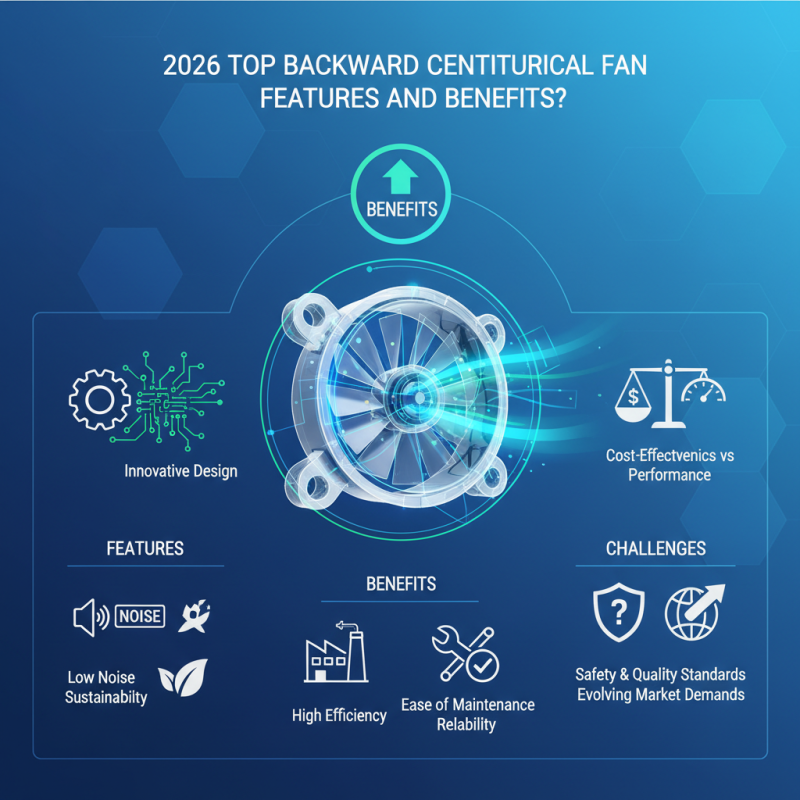
The backward centrifugal fan is gaining prominence in 2026 for various reasons. Its design features blades that curve backward, which enhances efficiency. This unique structure allows for a smoother airflow, resulting in less turbulence. It can operate quietly, making it suitable for spaces requiring low noise levels. Additionally, it achieves high static pressure capabilities, making it ideal for tasks such as ventilation and air conditioning.
One notable aspect is its reliability. Backward centrifugal fans are built to endure demanding conditions. They often experience less wear and tear due to their aerodynamic design. However, installation can sometimes be tricky, especially in tight spaces. Users may need to invest time in ensuring proper placement to achieve optimal performance. This consideration reflects the balance between efficiency and practicality.
Maintenance is straightforward but shouldn't be overlooked. Regular checks can prevent issues and extend the lifespan of the fan. It’s crucial to ensure the fan remains free of debris to maintain airflow. Users might find that they need to adapt their maintenance routines over time. Assessing and improving these processes can lead to better performance and cost-effectiveness.
Backward centrifugal fans are widely recognized in industrial applications for their unique advantages. These fans are known for their high efficiency and ability to handle large volumes of air. They are designed with blades that curve backward, allowing for better airflow and reduced energy consumption. This design minimizes drag, resulting in quieter operation. Many industries benefit from their ability to maintain consistent air pressure.
One notable feature of backward centrifugal fans is their durability. Made from robust materials, they withstand challenging environments. This ensures long-term reliability, reducing maintenance costs for businesses. In high-demand settings, operators face challenges like varying airflow requirements. A backward centrifugal fan adapts to these changes effectively, offering versatility in performance.
However, not all backward centrifugal fans are created equal. Some may struggle under specific conditions. It's vital for users to assess their unique needs carefully. Understanding airflow patterns can make a significant difference. Each application has its own requirements, and this must be factored into the selection process. A well-informed choice can enhance efficiency and create cost savings in the long run.
When comparing backward centrifugal fans to other types, their efficiency stands out. Backward centrifugal fans are designed with blades that are curved away from the direction of the airflow. This unique design allows them to handle high volumes of air at low pressures with less energy.
In contrast, forward-curved fans can struggle at higher pressures. They might work well in specific situations but often lead to increased noise levels. Axial fans, while effective for ventilation, can't match the pressure capabilities of backward centrifugal fans. If you're seeking reliability in varied environments, backward centrifugal fans excel.
Tips: Consider the installation space. Backward centrifugal fans require less room than axial types. Ensure proper airflow paths to maximize fan efficiency. Regular maintenance can help sustain performance; clean filters and check for wear often. Keep in mind that while these fans are efficient, their design can sometimes lead to issues if not carefully considered. Balancing efficiency and effectiveness in your choice is essential, so reflect on your specific needs.
Backward centrifugal fans play a vital role in various industrial applications. Recent innovations have significantly enhanced their performance. One notable advancement is the integration of smart sensors. These sensors monitor airflow and temperature in real-time. They allow for immediate adjustments to maintain optimal performance. The result is increased energy efficiency and reduced operational costs.
Another key technology is improved blade design. Advanced materials and aerodynamics have led to quieter and more efficient fans. These designs maximize airflow while minimizing noise levels. This can be especially important in environments where sound is a concern. However, even with these improvements, some fans may still exhibit inefficiencies under certain conditions. Regular maintenance and adjustments are often necessary to keep performance standards high.
Additionally, connectivity features have made backward centrifugal fans smarter. Many new models come equipped with IoT capabilities. This allows for remote monitoring and control. Users can track performance metrics easily. It's important to acknowledge that while these innovations offer remarkable benefits, they can also introduce complexity. Not all users might be comfortable with new technologies. Training may be needed to ensure effective operation.
| Feature | Description | Benefits |
|---|---|---|
| High Efficiency Blades | Designed to maximize airflow while reducing energy consumption. | Lower energy costs and improved performance. |
| Advanced Motor Technology | Incorporates high-torque, low-sound motors. | Reduced noise levels and enhanced durability. |
| Compact Design | Space-saving layout without compromising performance. | Easier installation and flexibility in layout design. |
| Integrated Smart Control Systems | Automatic adjustments to operational conditions. | Optimized airflow and energy usage. |
| Durable Construction Materials | Made from corrosion-resistant alloys. | Longer lifespan and reduced maintenance costs. |
To maintain optimal performance of backward centrifugal fans, regular inspection is essential. Check for any signs of wear or damage on blades and housing. Inspecting these components can prevent unexpected breakdowns and extends the fan's lifespan. Dust accumulation on the fan can affect airflow. Regular cleaning helps in maintaining efficiency.
Lubrication is another critical aspect. Ensure that the bearings are properly lubricated according to the manufacturer's guidelines. This simple task can significantly reduce friction, resulting in quieter operation and improved energy efficiency. However, avoid over-lubricating, as it can attract more dust and debris. Striking a balance is key.
Monitoring energy consumption is also beneficial. Keeping an eye on changes in power usage can indicate potential issues. If the energy consumption spikes, it may signal problems within the fan system. Addressing issues early on can save costs in repairs and energy bills. Regular maintenance is not just a good practice; it’s an investment in the equipment's future performance.
