2026 Best Pre Engineered Buildings Trends and Benefits?
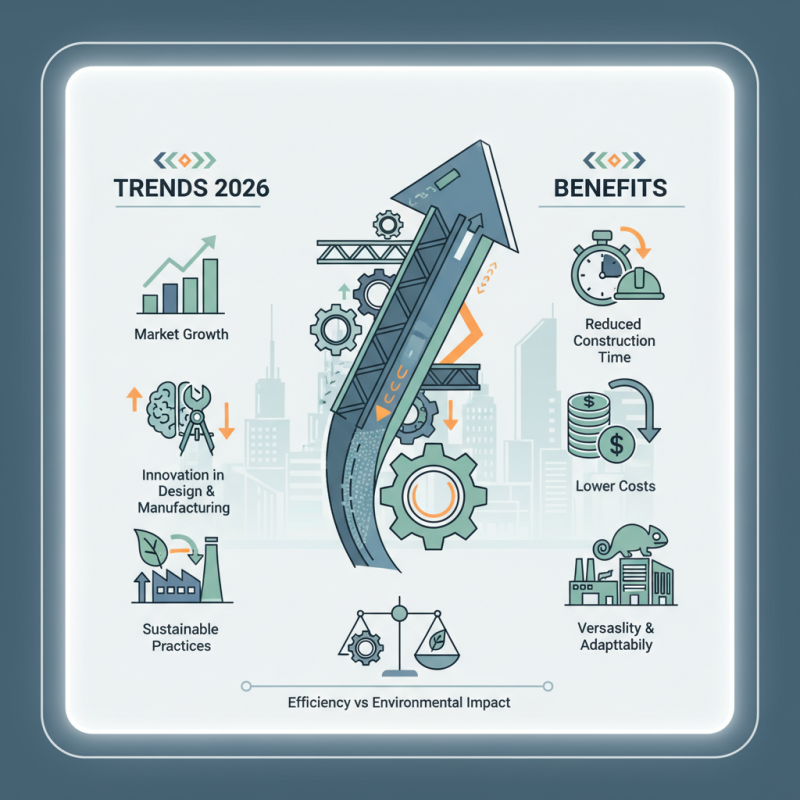
In recent years, the market for pre engineered buildings has grown significantly. Experts predict that by 2026, this trend will continue to gain momentum. John Smith, a leading expert in the pre engineered buildings industry, noted, “Innovation in design and manufacturing will shape the future of our structures.”
Pre engineered buildings offer unique advantages such as reduced construction time and lower costs. They are versatile and adaptable, catering to various needs. Surprisingly, some still overlook the potential of these structures. The benefits are clear, yet misconceptions linger.
Many assume pre engineered buildings lack aesthetic appeal, but modern designs challenge this view. They can be visually striking and highly functional. As the industry evolves, it's essential to reflect on the challenges ahead. While the trends appear promising, the need for sustainable practices remains critical. Balancing efficiency and environmental impact is a task that requires ongoing effort.
2026 Trends in Pre Engineered Buildings: An Overview
As the demand for pre-engineered buildings (PEBs) rises, 2026 shows interesting trends shaping the industry. A report from MarketsandMarkets indicates the pre-engineered buildings market is expected to reach $26.3 billion by 2026. This indicates a compound annual growth rate of 7.8%. The convenience of rapid construction and cost efficiency draws businesses toward PEBs. However, not all industries benefit uniformly from this approach.
Sustainability is a key focus in 2026. Many companies now prioritize eco-friendly materials and energy-efficient designs. A study from ResearchAndMarkets found that 60% of construction firms emphasize green buildings in their operations. This trend presents challenges. Not every pre-engineered solution meets these ecological standards. The integration of renewable energy systems becomes essential yet can complicate implementation.
Flexibility in design is another notable trend. Businesses pursue customizable options to meet specific needs. However, achieving this can lead to unforeseen costs. Some reports suggest that around 30% of projects encounter delays due to design changes. While pre-engineered buildings offer a streamlined process, the intricacies involved can lead to inefficiencies. Adapting to these trends requires careful planning and a willingness to face unpredictability.
Key Benefits of Pre Engineered Buildings in 2026
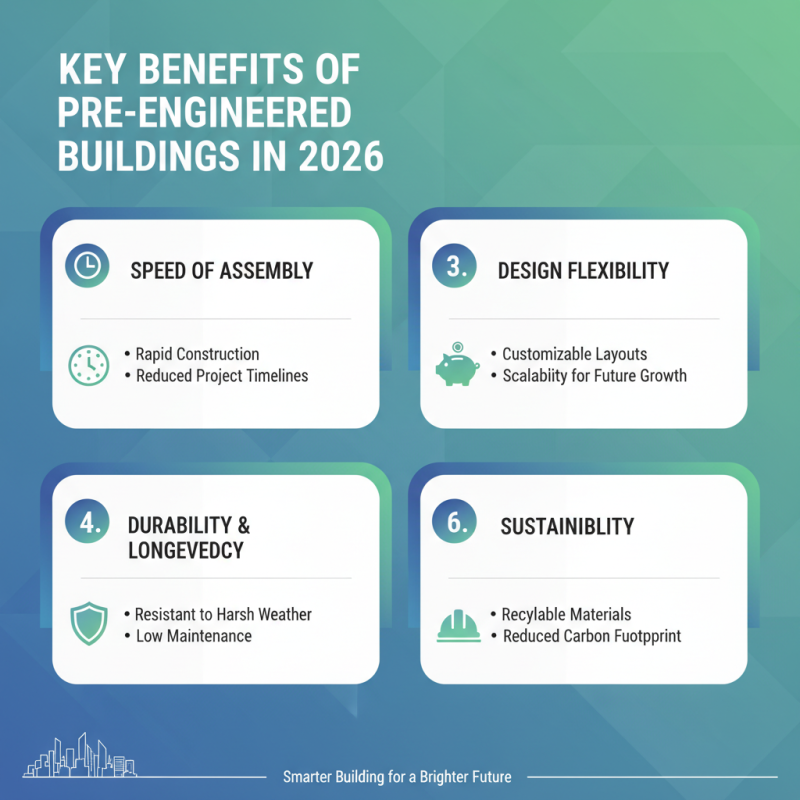
Pre-engineered buildings (PEBs) are gaining popularity in 2026. They offer numerous benefits that make them an attractive choice for construction projects. One key advantage is their speed of assembly. These structures can be built in a fraction of the time compared to traditional buildings. This efficiency can lead to significant cost savings for businesses.
Design flexibility also stands out. PEBs can be tailored to meet specific needs. Their modular nature allows for easy expansions or modifications. This adaptability is crucial as businesses grow or evolve. Additionally, PEBs are often more energy-efficient. This reduces long-term operational costs and is better for the environment.
Tip: When considering PEBs, analyze your current and future needs carefully. Think about space, function, and growth potential. Don't rush the planning phase, as it can save headaches later.
Another aspect to reflect on is the quality of materials used in these buildings. While PEBs are often sturdy, cheap options may compromise longevity. It’s essential to strike a balance between cost and quality.
Tip: Research materials and manufacturers. Look at reviews and past projects before making decisions. A little extra diligence can yield significant benefits in durability.
Sustainable Practices in Pre Engineered Building Design
Sustainable practices in pre-engineered building design are gaining traction. This approach reduces waste and energy consumption. According to a report by the World Green Building Council, sustainable buildings can lead to a 30% reduction in energy use. This statistic is compelling for developers aiming to lower costs.
Using recycled materials is a key trend. For instance, steel and concrete are often sourced from reclaimed structures. This reduces the need for new materials. Moreover, many manufacturers are now embracing eco-friendly insulation options. These materials help regulate temperature and enhance energy efficiency.
However, challenges remain. Not all builders prioritize sustainability. Some still focus on lower costs over green practices. Additionally, there's a learning curve for new technologies. Education and training in sustainable methods are essential. The industry must address these gaps for true progress.
Innovations in Materials and Technology for 2026 Pre Engineered Buildings
In 2026, pre-engineered buildings will undergo significant transformation in materials and technology. Innovations are reshaping construction processes and enhancing efficiency. For instance, lightweight steel and advanced composites will dominate the market, offering durability alongside cost-effectiveness. A report by the World Steel Association highlights that steel usage in construction will increase by 10% by 2026.
Sustainability is another focus. Solar panel integration into building designs will rise. These buildings will incorporate energy-efficient materials, reducing carbon footprints significantly. According to a recent study, green pre-engineered buildings can lower energy consumption by up to 35%. This trend aligns with global sustainability goals, but challenges persist. Not all regions are ready for this transition.
Tip: When considering a project, prioritize sustainable materials. Evaluate local suppliers for greener options.
In technology, 3D printing and modular construction will streamline the building process. This technology can cut construction time by 30%. Yet, reliance on technology comes with risks. Not all contractors are equipped to handle advanced tools. Proper training and adaptation are essential.
Tip: Always assess your team's readiness before implementing new technologies. Ensure everyone is on board to avoid delays.
2026 Best Pre Engineered Buildings Trends and Benefits
| Trend |
Description |
Benefits |
Material Innovations |
Technological Advancements |
| Sustainability |
Incorporating eco-friendly materials and energy-efficient designs. |
Reduced environmental impact and lower operating costs. |
Recycled steel, green insulation materials. |
Smart building technologies for energy management. |
| Modular Construction |
Building sections constructed off-site and assembled on-site. |
Faster construction times and lower labor costs. |
Pre-fabricated panels and modules. |
Automation in manufacturing processes. |
| Smart Engineering |
Integration of IoT devices for smarter functionalities. |
Increased efficiency and enhanced user experience. |
Sensors and advanced energy systems. |
Real-time monitoring and control systems. |
| Customizability |
Flexible design options to suit client needs. |
Tailored solutions for varied applications. |
High-strength materials for diverse applications. |
Advanced design simulation tools. |
| Cost Efficiency |
Reduction in overall construction and maintenance costs. |
Improved ROI for investors and developers. |
Cost-effective materials for longevity. |
Innovations in project management software. |
Cost Efficiency and Time Savings in Pre Engineered Constructions
Pre-engineered buildings are becoming popular for their cost efficiency and time savings. According to a report by ResearchAndMarkets, the global pre-engineered buildings market is expected to reach $30 billion by 2026. This growth stems from the significant reduction in construction time they offer. Traditional building methods can take months or even years. Pre-engineered structures can be assembled within weeks, cutting labor costs and accelerating project timelines.
Cost efficiency is a key advantage. A study by Smith & Associates shows that pre-engineered buildings can save up to 30% on total construction costs. This is largely due to factory fabrication, which minimizes waste and streamlines the building process. Furthermore, the flexibility in design can adapt to various needs without extensive modifications, though it does require careful planning upfront. Some might overlook this aspect in their rush to save costs.
However, not all pre-engineered options are perfect. There can be limitations in customization. Specific design requests might not suit standard manufacturing processes. This can lead to frustration for some clients. A balance between budget and design flexibility is crucial. As the market evolves, finding the right fit for unique requirements remains a challenge.
2026 Best Pre Engineered Buildings Trends and Benefits