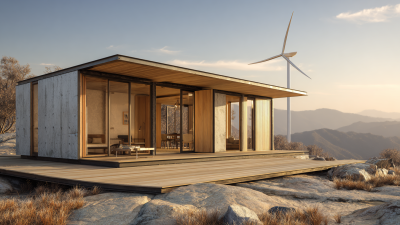
The future of construction is rapidly evolving, with "pre fab building" at the forefront of this change. Experts like Dr. Emily Johnson, a leading authority in sustainable architecture, believe that these innovations will shape our cities. She famously stated, "Pre fab building is not just a trend; it's a necessary evolution for our environment."
In 2026, we anticipate groundbreaking advancements in the prefab industry. Smart technology integration, for example, is set to revolutionize how we approach building efficiency. Imagine structures that adapt to energy needs and environmental changes.
However, the path isn't without challenges. Some critics argue that prefab buildings can lack uniqueness and character. This point sparks debate among builders and architects. As we watch these innovations unfold, we must reflect on the balance between efficiency and individuality in our designs.
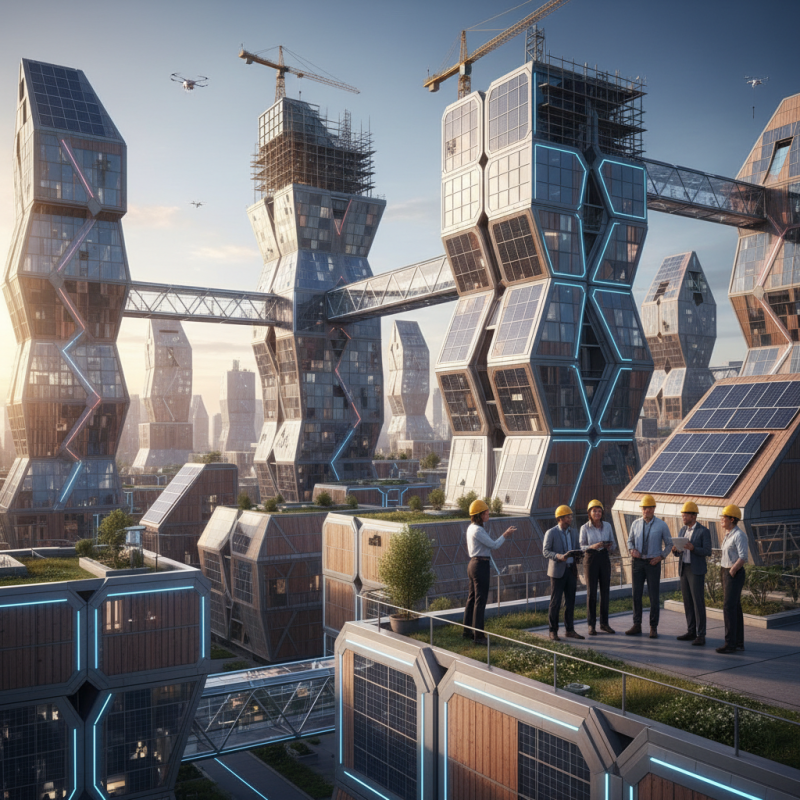
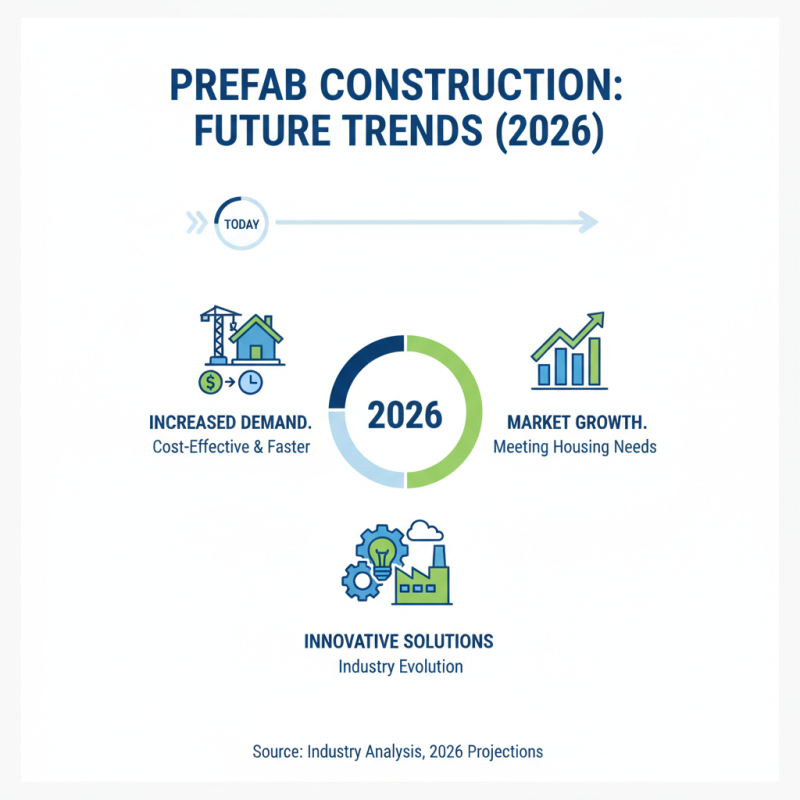
The prefab construction industry is rapidly evolving. As we approach 2026, market trends show a notable increase in demand for these innovative building solutions. Prefab buildings are becoming more popular due to their cost-effectiveness and faster construction times. Many companies are embracing this method to meet the growing housing needs.
However, challenges remain. The integration of technology in prefab construction is often met with skepticism. Some fear that automation may compromise craftsmanship. Others worry about the sustainability of materials used. It's essential to address these concerns as the industry grows. Adopting new materials can lead to better, more eco-friendly solutions.
As we look towards the future, innovation will play a key role. Collaboration between architects, engineers, and builders is vital. Developing flexible designs that cater to various environments can enhance functionality. The rise of prefab construction presents an exciting opportunity, but the industry must remain vigilant. Balancing innovation with quality and sustainability is crucial for long-term success.
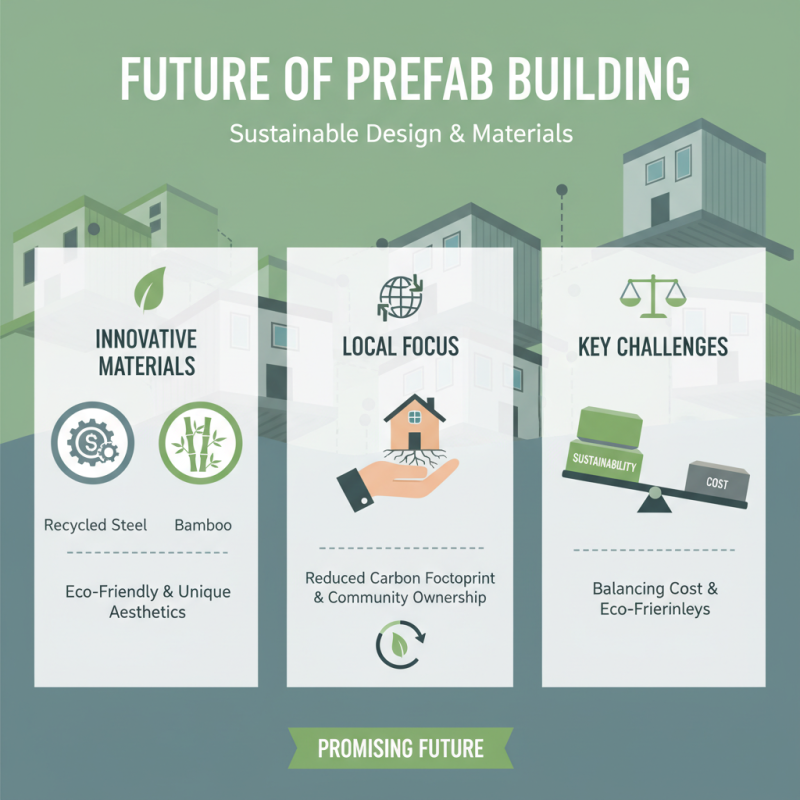
The future of prefab building design is promising, especially with the rise of sustainable materials. Innovative options like recycled steel and bamboo are gaining attention. These materials are not just eco-friendly; they also provide unique aesthetic elements. Using locally sourced materials lowers carbon footprints. It encourages a sense of community ownership. However, the challenge lies in balancing cost and sustainability.
One noteworthy innovation is the use of 3D-printed components. This method enables quick assembly while reducing waste. Yet, not all regions have access to the necessary technology. Designers must consider accessibility in their plans.
Another exciting development is biophilic design. This approach connects buildings to nature. For instance, incorporating living walls can improve air quality while enhancing aesthetics. However, maintenance can become an issue. Not all designs will flourish in every environment. The importance of adaptability in design cannot be overstated. Finding harmony between innovation and practical usage is key to successful prefab building in the future.
The world of prefab buildings is evolving rapidly.
Smart technology integration is at the forefront of this change.
Prefab structures now utilize sensors and automation to enhance efficiency.
For instance, temperature control systems can adjust based on occupancy, saving energy.
This technology is not just about convenience; it also promotes sustainability.
By optimizing energy use, these buildings contribute to a greener future.
However, the integration of smart technology isn’t without challenges.
There is the complexity of installation and maintenance.
Not all prefab models can easily adapt to the latest tech.
This might lead to inconsistencies in performance.
Some builders struggle to keep up with advancements.
They may feel hesitant to invest time and resources into new technologies.
Balancing progress with practicality is essential for truly modern prefab solutions.
Data security is another area of concern.
With networks connecting various devices, vulnerabilities can arise.
Builders and homeowners must prioritize safeguarding their systems.
It’s a delicate balance between innovation and risk management.
Only through mindful implementation can the promise of smart tech in prefab buildings be fully realized.
Prefab housing is emerging as a potential solution to the affordable housing crisis. As urban areas grow, demand for housing rises. Traditional construction can be slow and costly. Prefabricated buildings offer a timely alternative. These structures are manufactured off-site and assembled quickly. This could cut costs and construction time significantly.
However, there are challenges. Not all prefab homes are affordable or suitable for every community. Some designs may lack individuality and charm. The process of zoning and regulations can complicate implementation in various areas. Local governments need to adapt to these innovations. Community input is crucial in this evolution, as different areas have unique needs.
Additionally, there remains skepticism about durability and quality. Some worry that speed might compromise structural integrity. These concerns cannot be ignored. As we look toward 2026, we must reflect on these imperfections. The goal is to create homes that are not only affordable but also livable and expanding the options available in the housing market.
This bar chart illustrates the potential growth in various prefab building innovations by 2026, focused on addressing the affordable housing crisis. The data represents the estimated number of projects utilizing different innovations over the next few years.
Regulatory changes are reshaping the prefab building landscape significantly. Recent reports indicate that 70% of industry professionals see regulations as a double-edged sword. While they aim for sustainability, they can slow down innovation. Notably, stricter building codes often add complexity to the design and approval processes, making it harder for innovative ideas to see daylight.
A study by the National Institute of Building Sciences found that regulatory obstacles cost the industry billions annually. Compliance can create delays, pushing projects beyond budget constraints. Prefab buildings, which thrive on speed and efficiency, suffer from these bottlenecks. Industry experts highlight frustration over constantly changing regulations, which require frequent adjustments in planning and execution.
Environmental regulations are pushing the industry to adopt greener materials. Yet, they often lack clear guidelines. This inconsistency means builders must interpret rules that may not align with project goals. The unpredictability can stifle creativity and exploration of novel solutions. Striking a balance between compliance and innovation remains a challenge for those in the prefab sector.